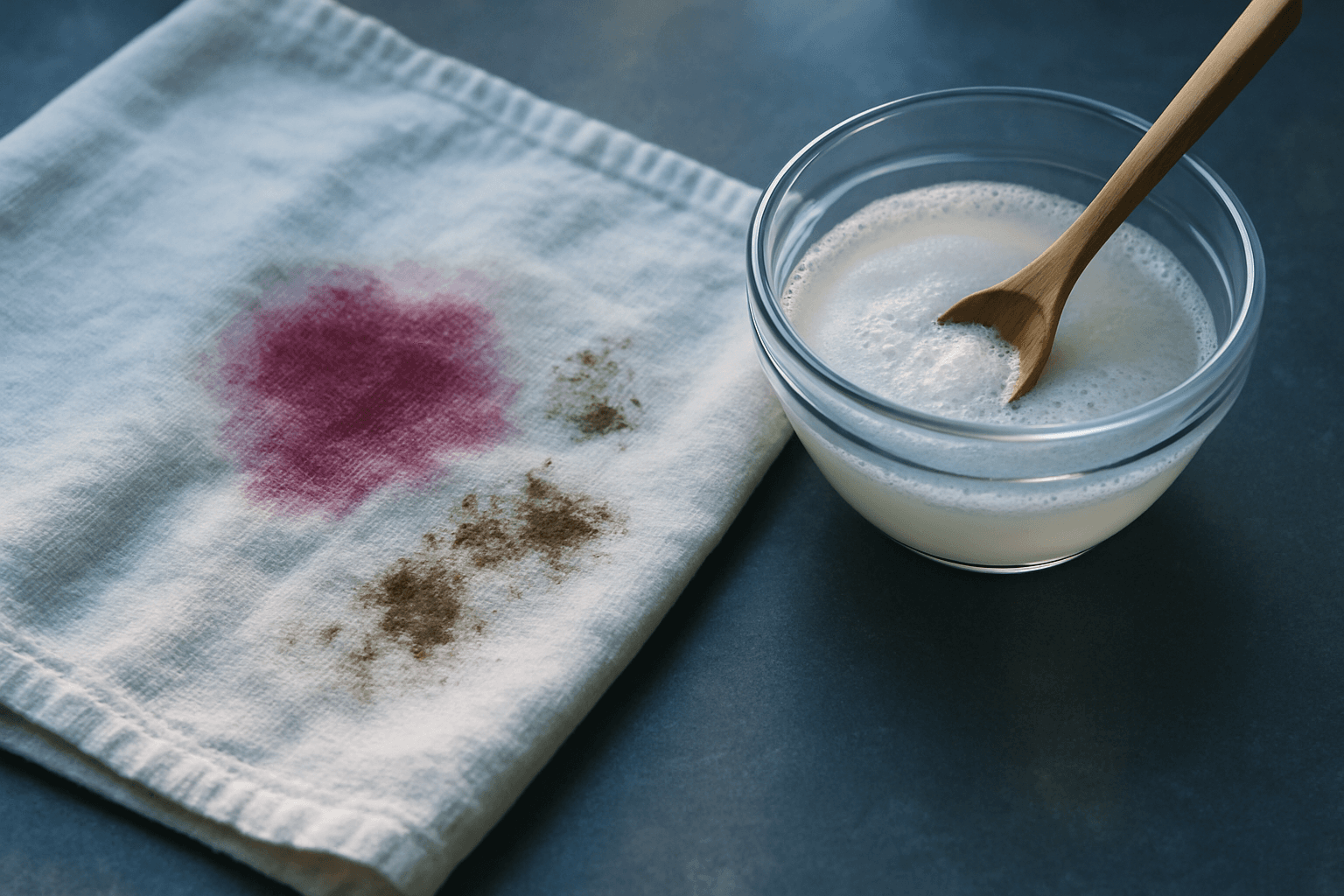
Your washer's cold-water cycle isn't enough for autumn stains—here's why
October's mud, wine, and cranberry spills need warmer water than you think. Here's how to tackle stubborn fall stains before Thanksgiving guests arrive.
Key takeaways
- Cold water alone won't lift mud or cranberry stains; warm cycles are necessary in autumn.
- Enzyme detergents break down protein-based stains; use them before running the wash cycle.
- Pre-soak stained items for 30 minutes in warm water and detergent for best results.
- Hot water works on cotton and linen but can damage synthetics; check fabric labels first.
- Test any stain treatment on an inconspicuous area of fabric before washing the whole piece.
October in White Rock brings crisp air, beautiful leaves—and stubborn laundry challenges. Mud tracked indoors, red wine spills, cranberry sauce splatters: autumn entertaining creates stains that cold water simply won't lift. Many homeowners assume their washer's eco-friendly cold cycle will handle anything, but seasonal stains are tougher than summer's dirt and sunscreen marks.
Why cold water fails in autumn
Cold-water detergents are designed to work at low temperatures, but they're optimised for light soiling. Autumn stains—especially those with tannins (wine, cranberry) or proteins (grass, meat)—respond much better to warmer water. Temperature increases molecular movement, helping detergent penetrate fabric fibres and break down stubborn compounds. In Metro Vancouver's cool autumn weather, cold tap water sits at around 10–15°C, which slows this chemical action significantly.
The enzyme advantage
Before you run a wash cycle, switch to an enzyme-based detergent. Enzymes are proteins that target specific stain compounds: proteases break down protein stains, amylases tackle starch, and lipases dissolve oils. Unlike surfactants (which suspend dirt), enzymes actually dismantle the molecular structure of the stain. Apply enzyme detergent directly to the stain, let it sit for 30 minutes, then wash in warm water. This two-step approach is far more effective than hoping a standard cold cycle will do the job.
Pre-soaking: the underrated secret
Fill a basin or sink with warm water (not hot), add a scoop of enzyme detergent, and submerge stained fabrics for 30–45 minutes. This gives the detergent time to work without agitation, which can actually set some stains deeper. For delicate Thanksgiving tablecloths or linen napkins, this gentle method is safer than aggressive scrubbing. After soaking, rinse lightly and transfer to your washer.
Temperature matters—but so does fabric
Warm water (around 40°C) is your sweet spot for most autumn stains and everyday fabrics. It's hot enough to activate detergent without damaging synthetics or causing excessive shrinkage. True hot water (60°C or higher) works excellently on cotton and linen but can degrade polyester blends and elastic. Always check fabric care labels on tablecloths and guest linens; Thanksgiving hosting means using pieces you want to last.
The patch-test rule
Before treating a visible stain on a cherished piece, test your chosen method on a hidden seam or back corner. Enzyme detergent and warm water are gentle, but some stains can shift or spread if the wrong approach is used first. A quick 10-minute test wash on a corner of the fabric takes the guesswork out of a potentially costly mistake.
With Thanksgiving just around the corner, take an afternoon now to pre-treat autumn stains on linens and guest towels. Your washer can absolutely handle these seasonal challenges—it just needs the right water temperature, the right detergent, and a little patience.
Need a hand from a real technician?
Our licensed pros repair washers and dryers across Metro Vancouver — same-day and next-day, with 90-day parts warranty + 7-day satisfaction guarantee.
Keep reading
Why your washer overflows in October—and how to spot it before Thanksgiving
Autumn rain and cooler water temperatures can trigger overflow problems in your washing machine. Here's what Maple Ridge homeowners need to check this week.
Thanksgiving guests and wet laundry: why your dryer's lint trap needs weekly cleaning now
As Port Moody heads into peak hosting season, a clogged lint trap turns drying time into a full-day chore. Here's why autumn humidity makes it worse—and how to stay ahead.