Thanksgiving hosting in Langley? Your washer's agitator needs a pre-party check
Ten days before Thanksgiving, a stuck or worn agitator can turn laundry day into a crisis. Here's what Langley homeowners should inspect right now.
Key takeaways
- Agitators wear fastest during high-load seasons like holidays; autumn heavy fabrics accelerate wear.
- Listen for grinding or scraping during the wash cycle—a sign the agitator dogs (rubber couplers) are failing.
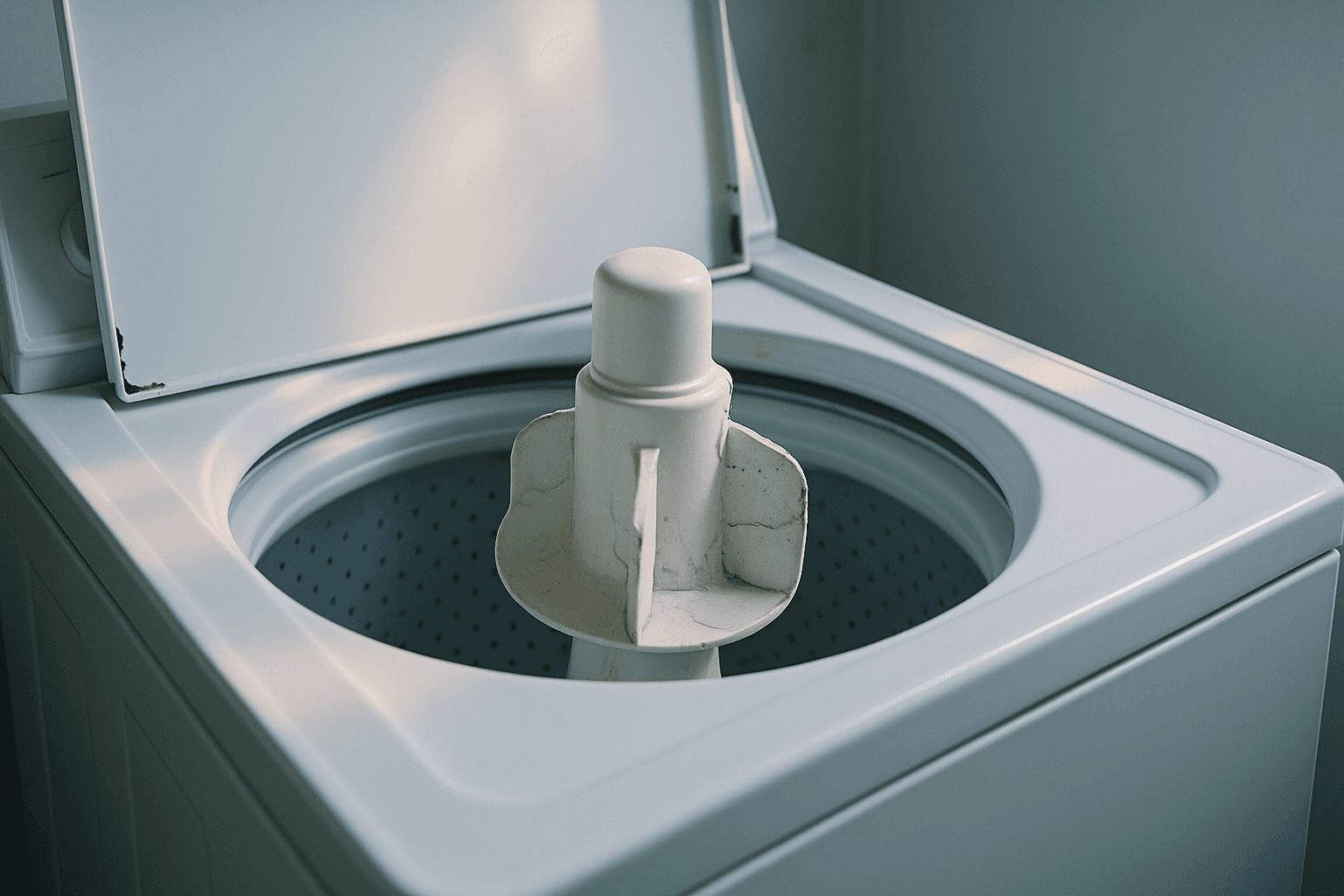
- Inspect the agitator for visible cracks or loose plastic fins before Thanksgiving week arrives.
- A worn agitator leaves clothes in the bottom unwashed and reduces cleaning power by 30–40 percent.
- Replacement typically takes 1–2 hours; plan ahead rather than rushing during holiday prep.
Thanksgiving week in Langley means extra linens, guest towels, and the kind of laundry pile that tests your washer's endurance. If your machine's agitator—that central post that twists back and forth to clean your clothes—is already wearing out, you're about to hit a breaking point.
Why the agitator fails now
Autumn is when household laundry shifts. Heavier fabrics (flannel sheets, knit sweaters, winter towels) create more friction and mechanical stress than summer cotton. If your agitator's rubber couplers (the shock absorbers inside the post) have been degrading all summer, October is when they finally give out. Add a week of double or triple loads before Thanksgiving, and a weak agitator simply can't keep pace.
What to listen and look for
Before you start your pre-Thanksgiving laundry blitz, run a normal cycle and pay attention. A grinding or scraping sound during the wash phase is the clearest warning sign—it means the agitator dogs are slipping or the plastic fins are cracked. You might also notice clothes bunching at the bottom of the drum, or whites and darks coming out with uneven cleaning. Pause mid-cycle, open the lid, and visually inspect the agitator post itself. Look for visible cracks in the plastic or fins that are broken off.
Why timing matters
If your agitator is failing, you have maybe three to five more loads before it stops working altogether. Thanksgiving week—with guest bedding, extra kitchen towels, and all the tablecloths—typically demands 8 to 12 loads in seven days. A broken agitator mid-holiday means either hand-washing or hunting for a same-day repair appointment when every other Langley household is in crisis mode too.
What a repair looks like
Replacing an agitator is a straightforward job that usually takes 1–2 hours, depending on your washer model. The cost is moderate compared to emergency weekend rates. The real win is peace of mind: a new agitator restores full cleaning power and buys you another 7–10 years of reliable service. For top-load machines especially, this is one of the most common repairs we see as autumn kicks in.
Next steps
If you spot any of these warning signs—grinding sounds, visible cracks, or uneven cleaning—don't wait. Call now and book a pre-Thanksgiving inspection. Even if the agitator looks fine, a technician can test it under load and give you confidence that your washer won't fail during the busiest week of the season. In Langley and across Metro Vancouver, October is the sweet spot for preventive maintenance. After Thanksgiving, the repair queue fills up fast.
Need a hand from a real technician?
Our licensed pros repair washers and dryers across Metro Vancouver — same-day and next-day, with 90-day parts warranty + 7-day satisfaction guarantee.
Keep reading
Why your dryer takes twice as long in October—and it's not the weather
As Delta humidity climbs this fall, your dryer's moisture sensor may be working against you. Here's what's really slowing your cycles down.
Why your washer's spin cycle struggles in autumn—and how to fix it
As Metro Vancouver's humidity climbs this fall, excess moisture in your machine's drum and bearings can slow your spin cycle. Here's what's really happening.