Why your dryer takes twice as long in October—and it's not the weather
As Delta humidity climbs this fall, your dryer's moisture sensor may be working against you. Here's what's really slowing your cycles down.
Key takeaways
- Moisture sensors detect dampness on clothes; fall humidity confuses them into extending cycles unnecessarily.
- Clean the sensor bar with a soft cloth and rubbing alcohol every month during autumn and winter.
- A clogged sensor costs more in hydro bills than the two-minute cleaning takes to perform.
- If cleaning doesn't help, the sensor may need replacement—a straightforward repair for most dryer models.
- Manual drying settings bypass the sensor but waste energy; fixing the sensor is the smarter choice.
October in Delta brings cooler temperatures and rising humidity—the kind of damp that seeps into your laundry room and, without you realizing it, into how your dryer behaves. If you've noticed your dryer running for 45 minutes when it used to finish in 25, you're not imagining it. And it's not about the weather outside; it's about how your dryer's moisture sensor reads the air inside.
How your dryer's moisture sensor actually works
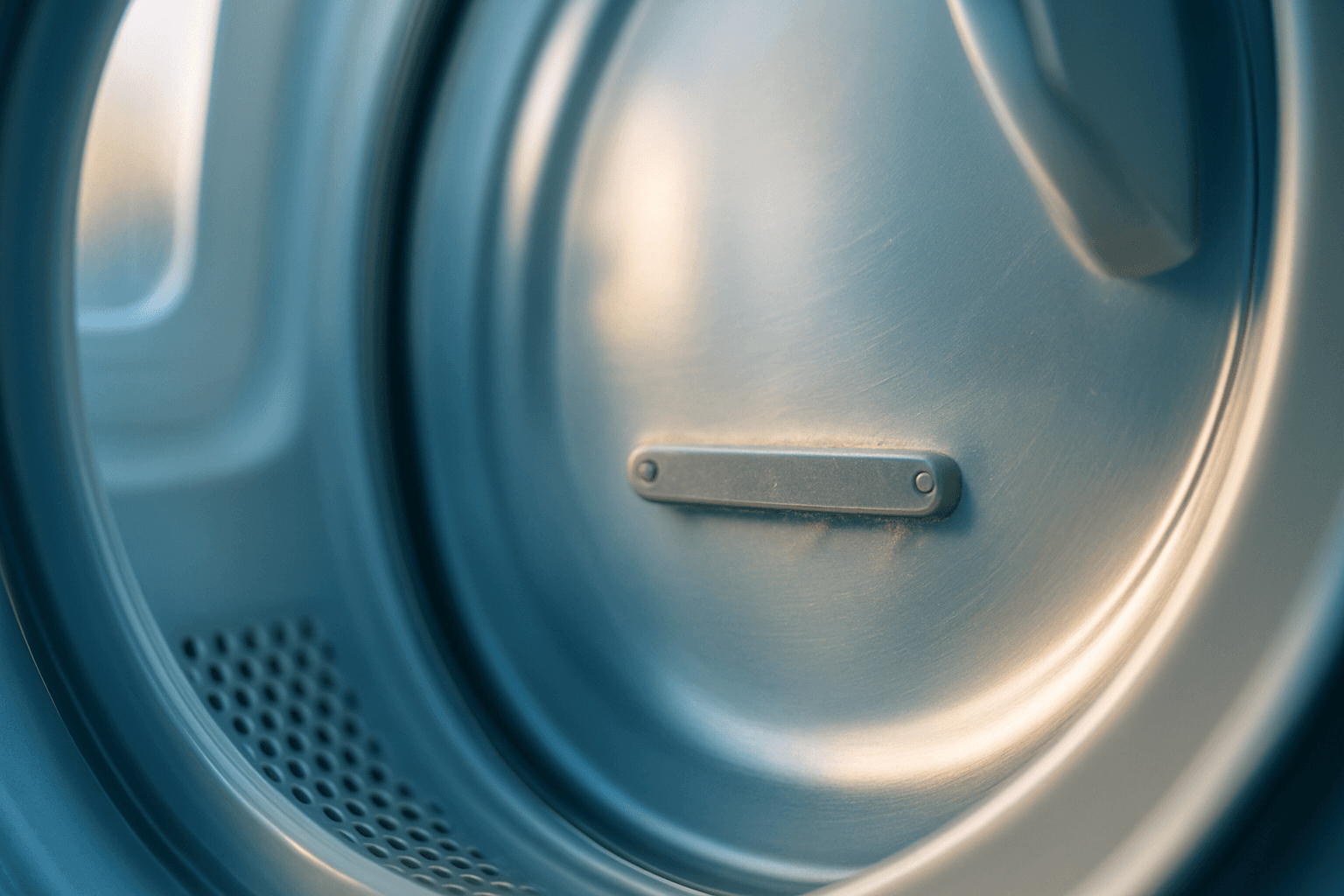
Instead of timing cycles, most modern dryers use a small metal bar or strip inside the drum to sense moisture on your clothes. When the sensor detects that fabrics have reached a certain dryness level, it signals the dryer to stop. It's an elegant system that saves energy and protects your clothes from overheating.
But here's the catch: the sensor doesn't measure absolute dryness. It measures *conductivity*—how easily electrical current flows through the moisture on fabric. In humid air, that signal gets muddled. Your dryer can't tell whether dampness is from your wet load or from the moisture-heavy environment around it.
Why autumn humidity throws your sensor off
Metro Vancouver's fall and winter months bring persistent moisture. Delta sits near the Fraser River, and October humidity often hovers in the 70–85% range. That dampness gets drawn into your laundry room, especially if it's not well-ventilated or if your dryer's vent isn't sealed tightly.
When the sensor bar is exposed to this ambient humidity, it struggles to distinguish between "clothes are dry" and "the air is just wet." The result: your dryer assumes clothes still need drying and keeps running. You end up with longer cycles, higher hydro bills, and clothes that are sometimes *over*-dried.
The fix: clean your sensor bar monthly
The solution is surprisingly simple. Most dryer sensors sit just inside the drum, accessible without tools. Here's how to recalibrate your dryer's performance:
1. Unplug your dryer from the wall outlet (safety first).
2. Locate the sensor bar—usually a small metal strip on the interior wall or the front of the drum.
3. Gently wipe it with a soft, lint-free cloth dampened with rubbing alcohol.
4. Let it air-dry for a few minutes, then plug the dryer back in.
That's it. Most homeowners report noticeably shorter cycle times within the first load after cleaning. During autumn and winter, repeat this monthly to keep the sensor responsive.
When cleaning isn't enough
If you've cleaned the sensor and cycles are still dragging on, the sensor itself may be worn or faulty. Moisture sensors can degrade over time, especially in humid climates like ours. A replacement sensor typically costs between $40 and $120, depending on your model, and takes 15–20 minutes to swap out. It's one of the most cost-effective dryer repairs you can make.
Avoid the temptation to switch to manual timed drying. Yes, you can override the sensor and set a fixed cycle time, but you'll lose the energy savings the sensor provides—and you risk over-drying fabrics, which shortens their lifespan and increases static.
A small maintenance habit with big returns
Adding sensor cleaning to your autumn maintenance routine is like changing your furnace filter—a five-minute task that prevents bigger headaches. As you prepare for Thanksgiving gatherings and the busier laundry weeks ahead, a clean sensor means your dryer works smarter, not longer.
Need a hand from a real technician?
Our licensed pros repair washers and dryers across Metro Vancouver — same-day and next-day, with 90-day parts warranty + 7-day satisfaction guarantee.
Keep reading
Why your washer's spin cycle struggles in autumn—and how to fix it
As Metro Vancouver's humidity climbs this fall, excess moisture in your machine's drum and bearings can slow your spin cycle. Here's what's really happening.
Thanksgiving laundry crunch: why your washer's cycle time is slowing down now
As Thanksgiving hosting season hits, a sluggish wash cycle often signals a problem that's easy to fix—and crucial before the big cook.