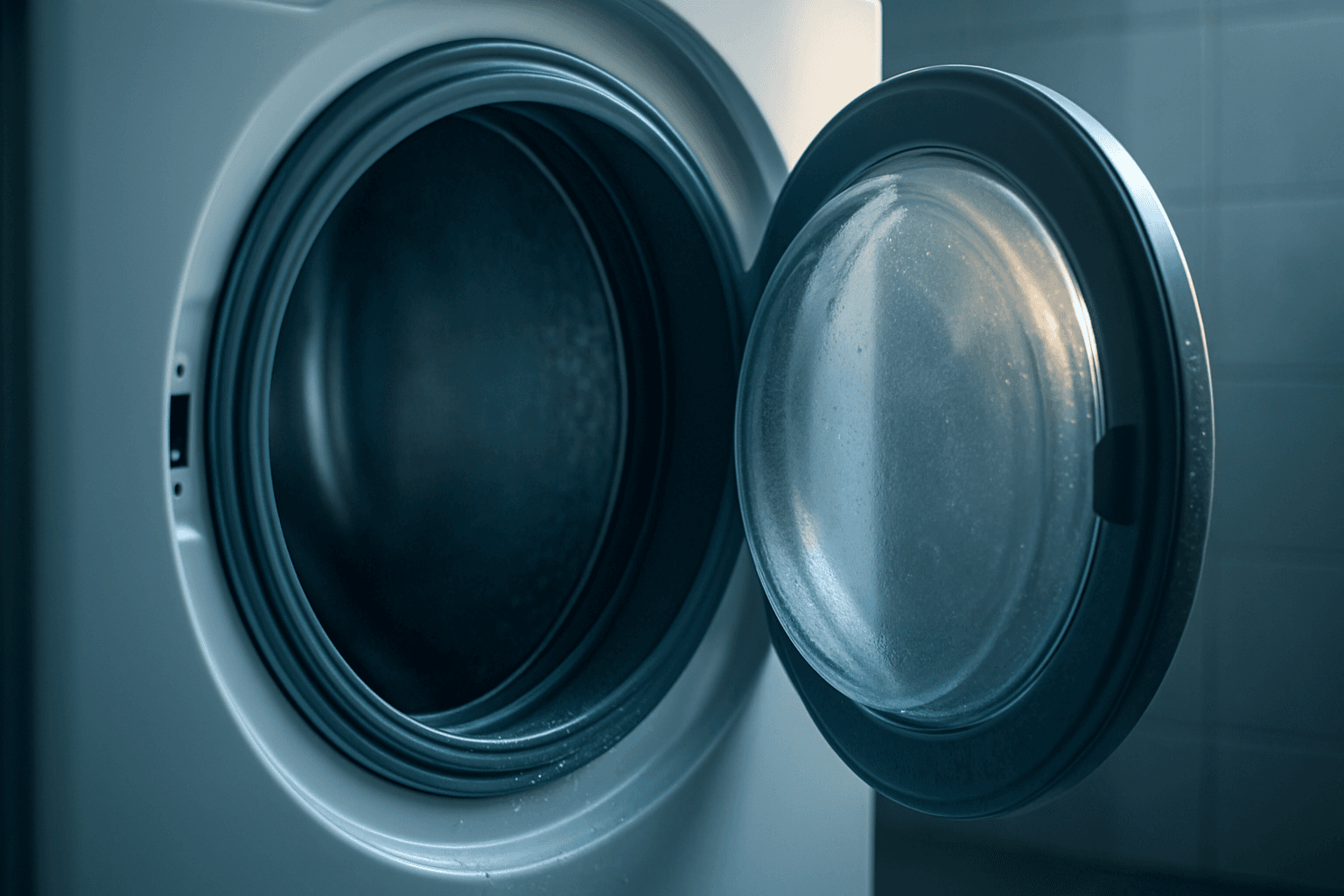
Autumn humidity is clogging your washer's drain—here's why and how to fix it
As North Vancouver's fall rains arrive, moisture buildup in your washing machine's drain system can trap lint and debris. A quick seasonal flush prevents costly blockages.
Key takeaways
- Drain hose clogs form faster in fall due to Metro Vancouver's high humidity trapping lint and soap film.
- Check and clean your washer's pump filter every two months during wet seasons to prevent standing water.
- A monthly hot-water vinegar cycle (no clothes) dissolves detergent buildup and kills odour-causing bacteria.
- Kinked or sagging drain hoses are common culprits—inspect yours and ensure it slopes downward toward the standpipe.
- If water pools inside the drum after a cycle, the drain is partially blocked and needs immediate attention.
Why autumn humidity hits your washer's drain system harder
Metro Vancouver's fall weather brings steady rain and high indoor humidity—perfect conditions for moisture to linger inside your washing machine long after a cycle ends. When the drum and drain system don't dry completely between washes, lint, detergent residue, and minerals begin to stick to the walls of your drain hose and pump filter. Over time, this sticky buildup narrows the drain opening, slowing water flow and trapping more debris.
In North Vancouver especially, where coastal dampness persists into November, this problem accelerates. If left unchecked, a partially blocked drain becomes a fully blocked one by December, when laundry volumes spike and you can least afford a repair call.
The telltale signs your drain needs attention now
Before a clog stops your machine entirely, your washer will send warning signals. Water drains slowly at the end of a cycle, or pools slightly in the bottom of the drum. You might notice a sour smell even after washing, because stagnant water breeds bacteria in the drain cavity. Some machines display an error code (often "dL" or "E7" on digital models) indicating a drainage fault.
If any of these happen in September or early October, act immediately. A drain that's 50% blocked today becomes 100% blocked after three weeks of daily laundry.
How to flush your drain before it's too late
Start with the pump filter—the small basket-shaped screen inside or behind the lower front panel of your machine. Consult your manual for its exact location; most are accessible without tools. Place a towel underneath to catch residual water, unscrew the filter, and rinse it under warm running water, using an old toothbrush to scrub away grey lint and soap film. Reinstall it finger-tight.
Next, run a hot-water cycle with two cups of white vinegar and no clothes. The vinegar dissolves mineral deposits and detergent sludge clinging to the drum seal and drain hose. Repeat this monthly through winter.
Finally, inspect the drain hose itself—the grey or black tube running from the back of your machine to your standpipe or sink. Look for kinks, cracks, or sections that sag below the level of your machine. A sagging hose traps water and lint. If you find one, gently straighten it or ask a technician to reposition it so it slopes downward throughout its length.
Prevention keeps your machine healthy all season
Don't wait for autumn dampness to become a crisis. Use the right amount of detergent—excess suds leave more residue behind. If you live in North Vancouver with particularly hard water, consider running a rinse-only cycle after your wash cycle to flush remaining soap. Wipe the rubber door seal after each load to prevent mould and mildew, which also clog drainage systems over time.
Leave the drum door open between washes so moisture evaporates. This single habit cuts drain buildup by half, especially during our long, damp fall and winter months. By November, you'll be grateful you started now.
Need a hand from a real technician?
Our licensed pros repair washers and dryers across Metro Vancouver — same-day and next-day, with 90-day parts warranty + 7-day satisfaction guarantee.
Keep reading
Why your dryer takes twice as long in Vancouver's fall—and how to fix it
Autumn humidity in Metro Vancouver slows dryer cycles dramatically. Here's what's actually happening and the maintenance steps that make a real difference.
Why your dryer takes twice as long in Surrey's damp fall weather
As humidity climbs in autumn, your dryer has to work harder. Here's how to spot the problem and fix it before your energy bill spikes.