Why your dryer takes twice as long in Vancouver's fall—and how to fix it
Autumn humidity in Metro Vancouver slows dryer cycles dramatically. Here's what's actually happening and the maintenance steps that make a real difference.
Key takeaways
- Lint trap clogs are the #1 reason dryers slow down; clean before every single load
- Exterior vent flaps get stuck shut by autumn leaves and moisture buildup
- Kinked or crushed vent hoses restrict airflow more in humid weather
- Dryer moisture sensors misread humidity, extending cycles unnecessarily
- A blocked vent can also create a mold risk in your laundry room
As September rolls around in Coquitlam and across Metro Vancouver, many homeowners notice their dryer is taking 60, 90, or even 120 minutes to dry what used to take 45. It's not your imagination, and it's not a coincidence. Autumn humidity—combined with typical maintenance oversights—creates the perfect storm for sluggish drying.
Why humidity makes your dryer work harder
Your dryer's job is to remove moisture from wet fabric. When the air around your home is already saturated with moisture (which it is, most days in the Lower Mainland), the dryer has to work much harder to expel that moisture to the outdoors. The warmer air inside the drum can only hold so much extra moisture before it hits a limit. On a dry July day, this is quick. On a damp September afternoon, it's a slog.
Moisture sensors inside the drum measure when clothes are dry enough to stop the cycle. In fall and winter, these sensors often misread the ambient humidity, telling the dryer to keep running longer than necessary. The result: wasted energy and frustration.
The lint trap isn't optional—it's the main control valve
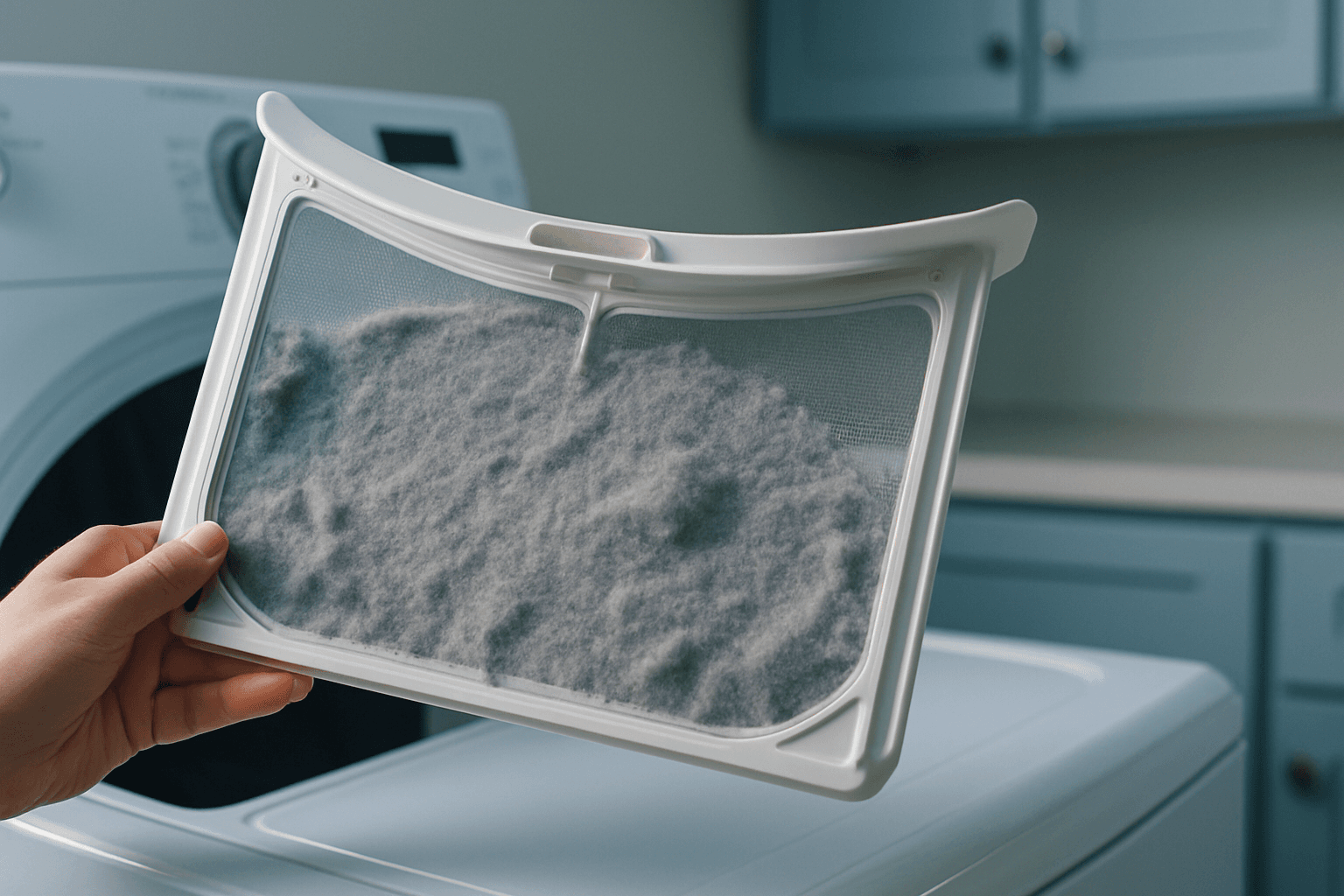
This is where most people slip up. A full or partially clogged lint trap is the single biggest reason dryers slow down. Even a thin layer of lint reduces airflow by 10–15 per cent. In humid weather, that small reduction compounds into noticeably longer cycles.
Clean the trap before every load. Not once a week—before every single dry cycle. It takes 10 seconds and costs nothing. If you've been skipping this, you'll notice an immediate improvement in drying speed once you start.
Check your exterior vent—autumn is the enemy
Your dryer's vent hose runs from the back of the machine to the outside of your home. The exit is covered by a flap that should swing open when warm air pushes through, then close when the dryer stops. In September and October, that flap gets clogged by leaves, pollen, and moisture buildup. It either won't open fully, or it sticks partially shut, trapping humid air inside the vent.
Step outside and look at your dryer vent opening (usually on the side or back of your Coquitlam home). Press the flap gently. It should move freely and not feel damp. If it's stiff, stuck, or surrounded by debris, clean it out and consider installing a cage-style cover to keep leaves away.
Inspect the vent hose itself
The flexible hose connecting your dryer to the wall can kink, crush, or sag over time. When it does, airflow restriction jumps dramatically—and humid air gets trapped inside, making the problem worse. Pull your dryer out slightly and check if the hose is bent or compressed. It should run as straight as possible. Replace any hose that's kinked, damaged, or older than 5–7 years (the plastic degrades).
Moisture buildup inside the vent system
In Vancouver's fall and winter, condensation can form inside vent ducts. Over weeks, this creates a damp film that traps lint, reducing airflow further. If your dryer has been slow for months, the vent system may need professional cleaning. A technician can snake out the entire duct and remove accumulated lint and moisture that a basic cleaning won't reach.
A final thought on energy and safety
A slow dryer isn't just inconvenient—it's also less efficient and slightly higher risk. Restricted airflow means heat builds up longer inside the drum, which is a minor fire hazard over time. Cleaning the lint trap, checking the exterior vent, and inspecting the hose are all quick wins that pay off immediately in faster drying and lower energy bills as you head into the wetter months.
Need a hand from a real technician?
Our licensed pros repair washers and dryers across Metro Vancouver — same-day and next-day, with 90-day parts warranty + 7-day satisfaction guarantee.
Keep reading
Why your dryer takes twice as long in Surrey's damp fall weather
As humidity climbs in autumn, your dryer has to work harder. Here's how to spot the problem and fix it before your energy bill spikes.
Why your washer's water intake slows in autumn—and how to fix it
As September rains arrive in Richmond and across Metro Vancouver, sediment in our water supply can clog inlet filters. Here's what to check before the wet season peaks.