Labour Day laundry spike: why your washer needs a load-size reality check now
As holiday weekend laundry piles up, oversized loads are the silent killer of washing machines. Here's how to protect yours before September.
Key takeaways
- Overstuffed loads force the drum to work harder, accelerating wear on the motor and suspension system.
- A properly filled drum (three-quarters full) cleans better and rinses more effectively than a packed one.
- Summer entertaining and holiday weekends create laundry surges that reveal hidden mechanical problems.
- New Westminster's humidity makes damp fabrics heavier; resist the urge to squeeze in 'just one more load'.
- Running two medium loads uses less energy than one oversized load and reduces repair risk.
Labour Day weekend is coming, and if you're hosting or travelling, your washing machine is about to face its busiest week of the year. Bedding, towels, and clothes pile up fast—and that's when homeowners make the mistake that costs them hundreds in repairs: stuffing the drum until it bulges.
Why oversized loads damage your washer
Your washing machine's drum has a weight limit, and so does its motor. When you cram too much fabric in, the drum can't spin freely, forcing the motor to work overtime. The suspension springs and bearings—already under stress in August—begin to fail. Over time, you'll hear grinding sounds, feel unusual vibration, or notice the drum stops spinning mid-cycle. By then, repair costs can easily exceed $400–600.
The drum also needs space for water and detergent to circulate. An overstuffed load means clothes don't get properly cleaned or rinsed, leaving detergent residue and odours behind.
The three-quarter rule
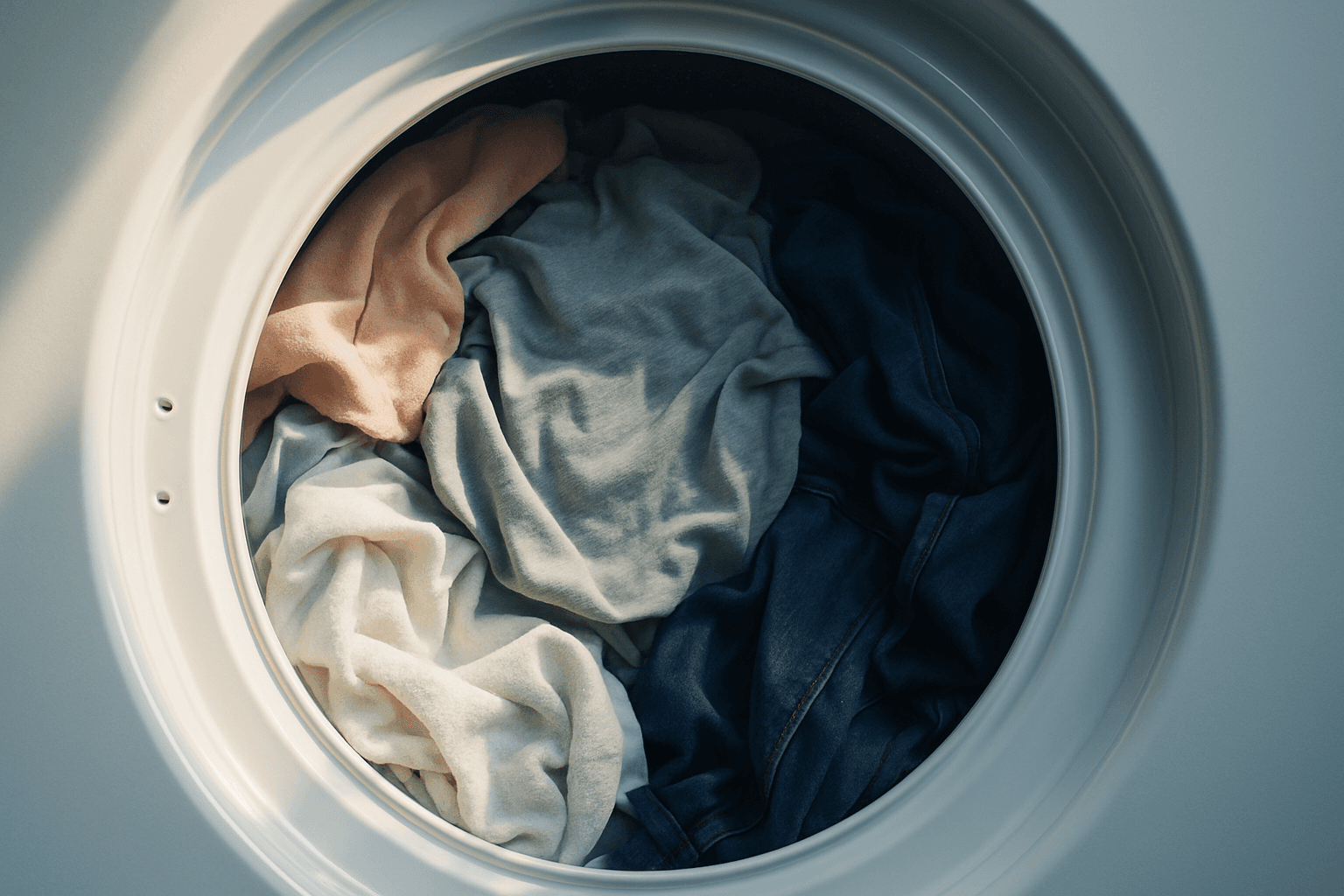
Fill your drum until clothes reach about three-quarters of the way up the side. You should be able to fit a closed fist between the clothes and the drum lid. This simple check ensures your machine operates at its intended capacity and gives every item room to move.
If you have a front-loader (common in Metro Vancouver homes), the rule is the same—don't overload. Front-loaders rely on the tumbling action to clean, and a packed drum defeats that purpose.
Adjust your approach for holiday weekends
During Labour Day weekend, plan to run two medium loads instead of one giant load. Yes, it uses the machine twice, but modern washers are efficient—and two runs actually consume less total energy than one overloaded cycle trying to compensate. You'll also finish laundry faster because each load spins out more moisture, reducing dryer time.
New Westminster's summer humidity makes fabrics heavier and slower to dry. Lighter loads mean faster drying and less strain on your dryer's motor too.
Watch for warning signs
If you've been running oversized loads regularly, listen and watch for trouble:
- Unusual grinding or scraping sounds during the spin cycle
- The drum wobbles or feels off-balance
- Water isn't draining fully at the end of the cycle
- Clothes come out damp or soapy despite a full rinse cycle
Any of these signals mean your machine needs a service check before Labour Day entertaining begins.
Simple prep for the busy weekend ahead
Before the long weekend, run a quick test: fill your washer normally, then see how much empty space remains. If you can't fit a fist in the gap, you've been overloading. Adjust your mental baseline now, and you'll protect your machine through years of holiday laundry surges.
One final tip: wash towels and bedding separately from clothing. They're bulky and heavy when wet, and mixing them with lighter garments encourages overloading. A dedicated towel load once a week keeps everything cleaner and your machine healthier.
Need a hand from a real technician?
Our licensed pros repair washers and dryers across Metro Vancouver — same-day and next-day, with 90-day parts warranty + 7-day satisfaction guarantee.
Keep reading
Your washer's water temperature dial: why Thanksgiving prep starts here
As Vancouver's damp autumn arrives, your washer's temperature settings matter more than you think—especially before hosting. Here's what to check.
Your washer's cold-water cycle isn't enough for autumn stains—here's why
October's mud, wine, and cranberry spills need warmer water than you think. Here's how to tackle stubborn fall stains before Thanksgiving guests arrive.