Labour Day laundry prep: why your washer needs a drain-line flush before September
Before the back-to-school rush hits, a clogged drain line can turn laundry day into a flooded basement. Here's how to spot and fix it.
Key takeaways
- Standing water in the drum after the cycle ends signals a drain-line blockage.
- Lint, detergent residue, and mineral deposits accumulate faster in warm weather.
- A clogged drain line can cause water to back up into your home's plumbing.
- Professional drain cleaning takes 30–45 minutes and costs far less than water damage repair.
- Schedule service now to avoid the Labour Day week rush.
Why drain lines fail in August
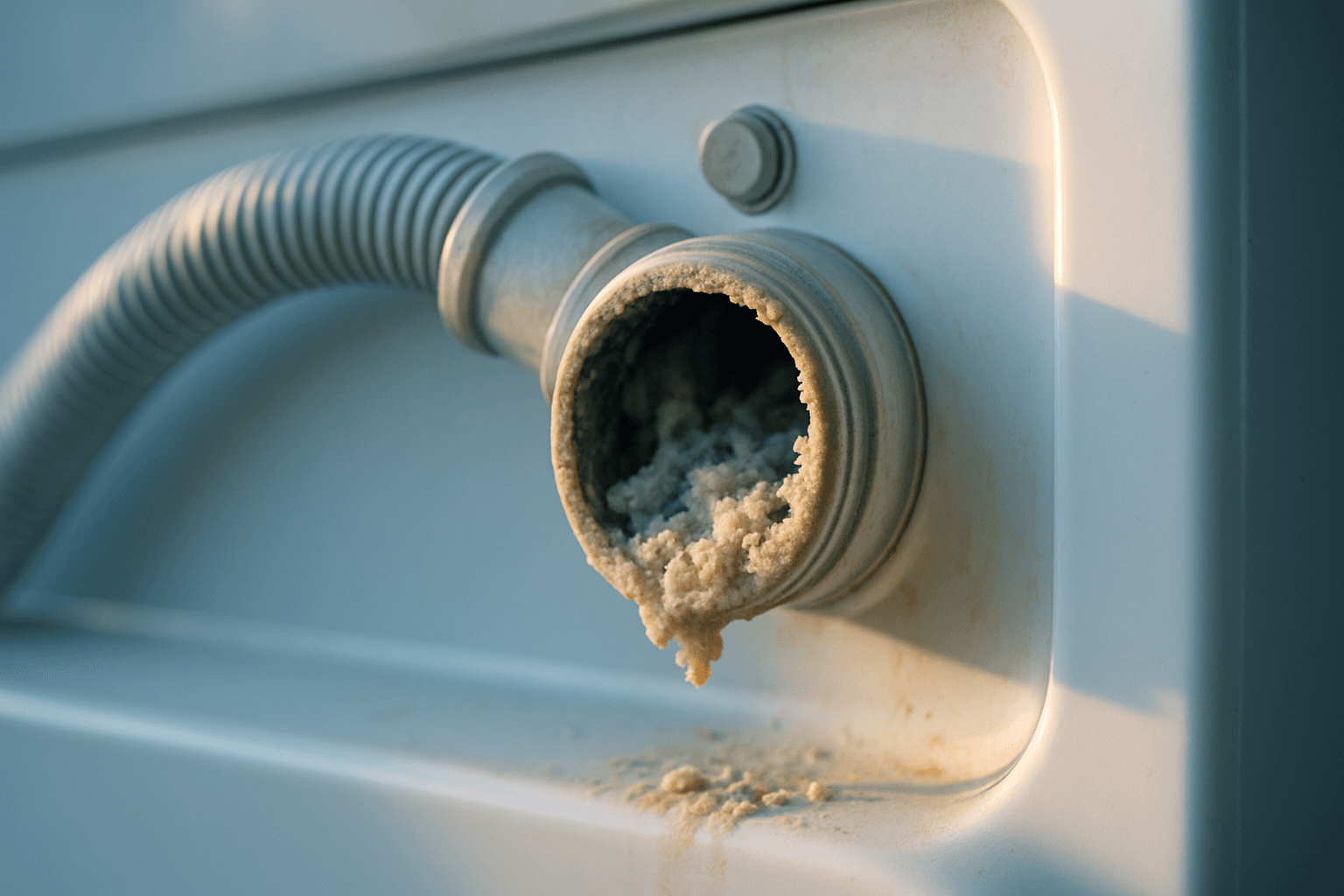
Metro Vancouver's summer heat accelerates the breakdown of soap residue and lint inside your washer's drain line. Over eight weeks of frequent laundry—especially if you've been washing beach towels, gym clothes, and bedding—detergent film hardens on the interior walls. Lint fibres catch on these deposits, and mineral content from our local water supply builds up faster in warm conditions. By late August, a line that worked fine in June can be half-blocked.
Unlike a sudden hose burst, a slow drain-line clog sneaks up on you. You might notice the drum takes longer to empty, or water pools at the bottom after the spin cycle. Some North Vancouver homeowners discover the problem when grey water backs up into the utility sink or bathtub—often during the first heavy wash load of September.
How to spot a clogged drain line now
Run a normal wash cycle and watch the drain phase. If water drains slowly or sits in the drum after 10 minutes, stop and investigate. Listen for gurgling sounds from the drain hose or nearby plumbing—that's air trying to escape a blockage. Check behind and underneath your washer: if the hose feels warm or you notice any seepage, the line is struggling.
Don't ignore standing water. It creates the perfect environment for mould and bacteria, and it stresses your drain pump, which can fail within weeks if it's constantly working against a partial clog.
What a professional drain flush includes
A technician will disconnect the drain hose, inspect it with a camera if needed, and flush it with pressurised water or a drain snake to clear years of buildup. They'll also check the pump filter (often clogged with lint) and the connection points where blockages commonly form. In North Vancouver's older homes, they'll verify that your home's main drain line isn't the culprit—sometimes the washer is fine, but the house plumbing is backing up.
This service takes 30–45 minutes and costs a fraction of what water damage restoration runs. If you've never had the drain line cleaned, now is the time.
Why Labour Day timing matters
The week after Labour Day is when back-to-school laundry volume spikes. Uniforms, gym kits, sports gear, and summer bedding all hit the wash at once. If your drain line is already compromised, that's when it fails—often at 9 p.m. on a school night, with a full load of wet clothes and no easy fix.
Booking a service this week means you'll start September with a clear line, a clean pump filter, and the confidence that your washer can handle whatever load you throw at it.
A simple preventative step
After your professional flush, run a cleaning cycle once a month using hot water and a commercial washing machine cleaner. This keeps mineral deposits and soap film from building up again. It's the cheapest insurance against drain problems.
If you've been putting off a washer service, the third week of August is your window. Your laundry routine is about to get a lot busier.
Need a hand from a real technician?
Our licensed pros repair washers and dryers across Metro Vancouver — same-day and next-day, with 90-day parts warranty + 7-day satisfaction guarantee.
Keep reading
Why your dryer takes twice as long in October—and it's not the weather
As Delta humidity climbs this fall, your dryer's moisture sensor may be working against you. Here's what's really slowing your cycles down.
Why your washer's spin cycle struggles in autumn—and how to fix it
As Metro Vancouver's humidity climbs this fall, excess moisture in your machine's drum and bearings can slow your spin cycle. Here's what's really happening.