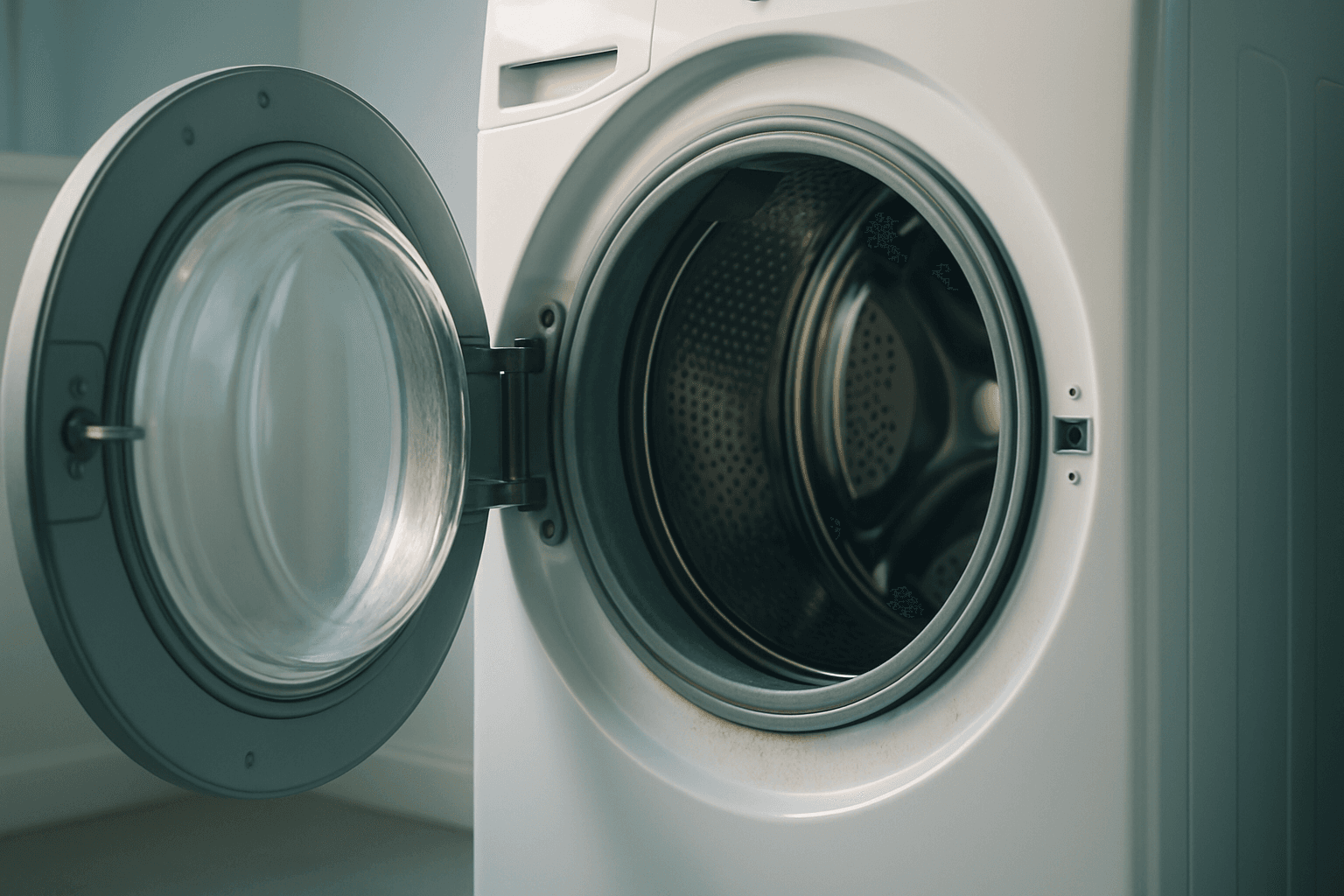
After BC Day: why your washer's drum won't spin freely (and what it means)
A stalled drum after a long weekend of laundry isn't always a motor problem. Here's what's actually stuck—and how to clear it.
Key takeaways
- Small items (coins, bobby pins, underwire) slip between drum and tub during heavy washing.
- Lint buildup in the tub seal reduces drum clearance and causes resistance.
- Manual drum rotation tells you whether the jam is mechanical or motor-related.
- A cleaning cycle with vinegar or commercial cleaner often clears minor blockages.
- Drum won't budge? Call a technician—internal bearings may be failing.
The post-long-weekend washing crisis
BC Day weekend is behind us, and your laundry pile is finally shrinking. Then your washer stops mid-cycle—the drum won't spin. Before you panic, know this: a seized drum after heavy use is usually fixable, and it's rarely the motor's fault.
In Langley and across Metro Vancouver, August humidity and back-from-camping loads of damp clothes create the perfect storm for small debris to slip past the rubber seal and lodge between the drum and the outer tub. That trapped coin, hair clip, or stone from a beach towel does the damage—not a mechanical breakdown.
How debris gets trapped (and why August makes it worse)
Your washer's drum sits inside a larger tub, with a rubber gasket creating a seal around the door. That gap is tight, but not airtight. During the spin cycle, water, lint, and small hard objects get forced toward the seal under centrifugal pressure.
Summer laundry is wetter and dirtier than usual. Swimsuits leave behind sand and pebbles. Camping clothes carry twigs and soil. Beach towels shed fibres relentlessly. All of this material finds its way into the drum-to-tub space, where it hardens as the machine dries between cycles.
Add Metro Vancouver's typical August humidity—moisture that slows evaporation—and you've got a recipe for lint compaction and rust forming around trapped metal objects.
The first test: can the drum turn by hand?
Unplug the washer and try to rotate the drum manually (most front-loaders turn easily). If the drum spins freely, the jam is electrical or in the pump. If it's locked solid or moves with heavy resistance, something physical is blocking it.
A stuck drum usually means debris is wedged in the seal or a small item is jammed against an internal component. This is salvageable without replacing the whole drum.
How to clear a minor blockage
If the drum moves slightly, run a hot-water cleaning cycle with white vinegar (two cups in the drum, nothing else). The vinegar dissolves mineral deposits and softens compacted lint. Let the cycle complete—don't interrupt it.
After the cleaning cycle, try rotating the drum by hand again. Often, the blockage has loosened enough to move. Repeat the vinegar cycle if needed.
For stubborn lint, some Langley homeowners have success tilting a front-loader forward (safely, on a dolly) to access the pump filter and drain hose—foreign objects sometimes lodge there instead of between the drum and tub. Check your manual before attempting this; not all models allow it.
When to call a technician
If the drum won't budge after two cleaning cycles, or if it rotates but makes grinding sounds, the drum bearing is likely failing. Bearings wear out faster in humid climates because water seeps past the seal over time. August heat and humidity accelerate this wear.
A seized drum that resists all manual force also suggests the drum spider (the internal support structure) has corroded, or the bearing has completely seized. Both require professional removal and replacement.
Don't force a locked drum—you'll risk breaking the motor or cracking the tub, which turns a $200–$400 repair into a $1,000+ replacement.
Prevention for the rest of summer
Before washing beach or camping clothes, shake them out thoroughly outside. Check pockets and cuffs. Inspect towels for sand. Use a lint trap (a mesh bag that sits in the drum during the wash cycle) if your washer allows it.
Run a monthly cleaning cycle with vinegar, especially during August when humidity peaks. This keeps the seal clear and prevents the slow accumulation that leads to jams.
Need a hand from a real technician?
Our licensed pros repair washers and dryers across Metro Vancouver — same-day and next-day, with 90-day parts warranty + 7-day satisfaction guarantee.
Keep reading
Thanksgiving prep: why your washer needs a deep clean before the big cook
With Thanksgiving three weeks away, a clogged washer can't handle the mountain of kitchen linens ahead. Here's what Maple Ridge homes need to check now.
Your washing machine's inlet screens need cleaning—here's why Port Moody's fall water matters
As autumn rains arrive in Metro Vancouver, mineral deposits and sediment clog your washer's water inlet screens. A five-minute cleaning prevents poor fill cycles and costly repairs.