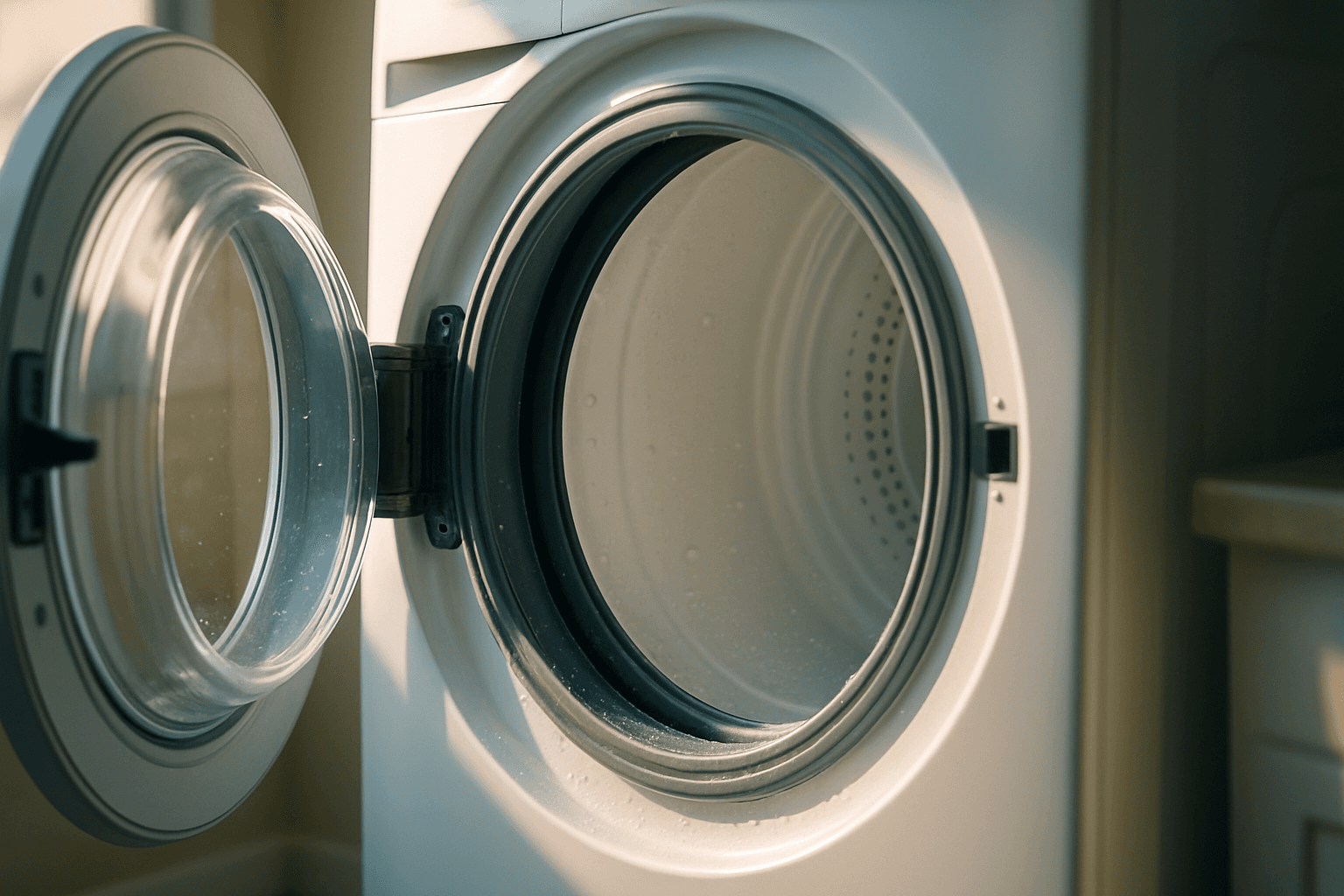
Summer laundry overload: why your washer needs a mid-season service check
August brings peak laundry season in Metro Vancouver—and your washer is working harder than ever. Here's what to inspect before breakdown strikes.
Key takeaways
- Summer humidity and heat accelerate wear on washer seals and gaskets.
- Drain hose kinks trap water and create mould; inspect and straighten monthly.
- Inlet screens clog faster in summer; sediment buildup reduces water flow.
- Run a hot-water cleaning cycle monthly to prevent mildew and odours.
- Have hoses checked for micro-cracks; summer heat weakens rubber.
August is peak laundry season in the Lower Mainland
After BC Day, New Westminster and the surrounding Metro Vancouver area see a surge in laundry. Summer camps, cottage trips, outdoor activities, and visitors mean more towels, swimwear, and gym clothes cycling through your washer. If your machine isn't serviced regularly, this seasonal spike can expose hidden problems—or create new ones.
Why summer stresses your washer more than you'd think
It's not just volume. Summer heat and humidity affect your washing machine in three specific ways. First, the rubber seals and gaskets inside the drum soften slightly in sustained heat, accelerating wear. Second, the warm water in your supply lines moves faster, creating pressure fluctuations that can stress inlet valves. Third, the moisture-rich air of a Metro Vancouver summer promotes mould growth inside the drum and rubber seals if the machine isn't dried out between loads.
Check your drain hose first
During heavy laundry months, lint and debris accumulate faster. Over time, the hose can develop kinks—especially if it's been pushed behind the washer or dryer to save space. Even a gentle bend restricts water flow, forcing the pump to work harder and trapping standing water that breeds bacteria and mould. Pull your washer forward gently, inspect the drain hose for kinks or cracks, and straighten it if needed. If you spot soft spots, splits, or permanent creasing, replace the hose now rather than during a breakdown.
Run a cleaning cycle monthly
Many modern washers have a self-cleaning or tub-clean setting. Run it once a month during summer, especially if you're doing laundry several times a week. Use a commercial washer cleaner or a cup of white vinegar on a hot-water cycle with no clothes inside. This dissolves detergent residue, kills mould spores, and keeps the drum smelling fresh. It also flushes out lint and sediment that accumulates in the drum seal.
Inspect inlet screens for sediment
Your washer's inlet screens filter sediment from your water supply before it enters the drum. In summer, when water demand is highest across the region, sediment levels can spike. Turn off the water supply valves behind the washer, unscrew the inlet hoses, and check the small screens inside the connection ports. If they're clogged with brown or grey sediment, rinse them under running water and replace if damaged. Clogged screens force the inlet valve to work overtime, reducing water flow and increasing pressure on internal components.
Feel the drum for resistance
Open the washer door and try to spin the drum by hand. It should rotate smoothly with minimal resistance. If it feels stiff, sticky, or makes grinding sounds, something is wrong—possibly a bearing, pulley, or foreign object lodged in the drum seal. Don't ignore this. Summer heat can accelerate bearing failure, and a seized bearing will eventually lock the drum completely.
Check hoses for micro-cracks
Inlet hoses carry pressurized water into your machine. Summer heat softens the rubber, making cracks more likely. Inspect both hoses along their full length for splits, bulges, or soft spots. If you find any, replace them immediately—a burst hose can flood your laundry room in seconds. Consider upgrading to braided steel hoses if you haven't already; they're more durable and less prone to failure.
When to call for help
If you notice reduced water flow, strange noises during the spin cycle, a burning smell, or water pooling under the machine, don't wait. Summer breakdowns happen fast, and a mid-season service visit now is far cheaper than an emergency repair in September when many households are dealing with back-to-school laundry surges.
Need a hand from a real technician?
Our licensed pros repair washers and dryers across Metro Vancouver — same-day and next-day, with 90-day parts warranty + 7-day satisfaction guarantee.
Keep reading
Autumn fabric buildup is clogging your washer—here's why Port Coquitlam homes need a cleaning cycle now
As Metro Vancouver enters fall, lint, detergent residue, and fabric fibres accumulate inside your washing machine. A simple monthly clean prevents odour, slow drains, and costly repairs.
Autumn mud and grass stains: why your Langley washer needs a pre-wash rinse now
As fall rain turns yards muddy, pre-wash rinsing prevents stains from setting permanently in your machine's drum. Here's what Langley families should do.