Why your washer smells like mildew in summer—and how to stop it
Summer humidity in Metro Vancouver creates the perfect breeding ground for mould and mildew inside your washing machine. Here's how to eliminate the smell before BC Day.
Key takeaways
- Mildew thrives in warm, damp environments—your sealed washer drum in July is perfect for it.
- Run a vinegar or commercial cleaner cycle monthly during summer to prevent odour buildup.
- Always leave the door and detergent dispenser open after washing to allow air circulation.
- Check that your drain hose isn't kinked, clogged, or sitting in stagnant water.
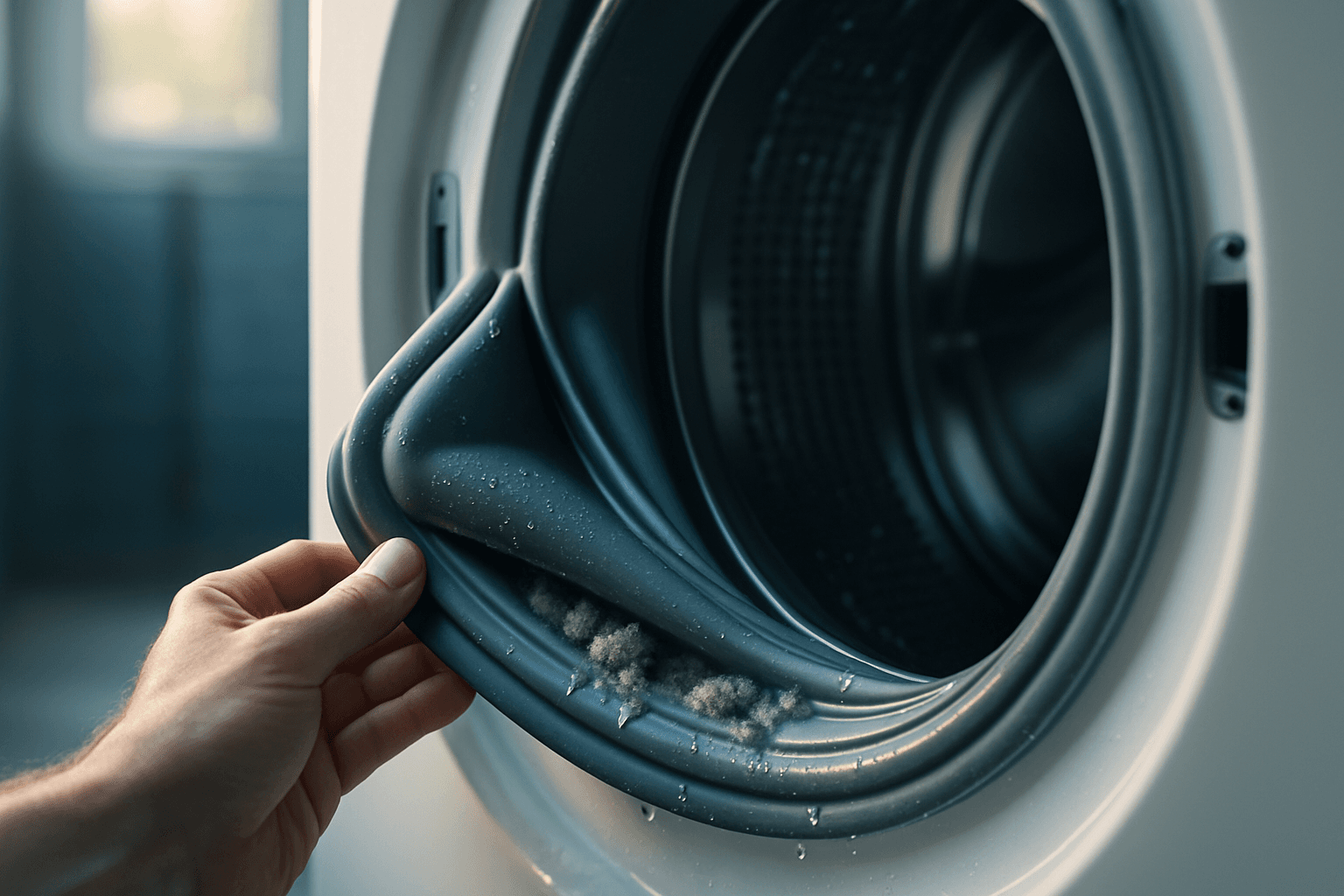
- Wipe the rubber gasket dry after each load to remove trapped moisture and lint.
Summer humidity makes mildew inevitable—unless you act
Metro Vancouver's warm, humid summers create a perfect storm for washing machine odours. When you close the door after a load and trap moisture inside, combined with detergent residue and lint, mildew colonies thrive. Port Coquitlam's proximity to the Fraser River means even higher humidity levels in July and August. The problem isn't your washer—it's the environment it's sitting in.
The rubber seal is mildew's favourite hiding spot
That rubber gasket around your washer door does an excellent job keeping water inside. Unfortunately, it also traps moisture, lint, and soap film on both sides. Mildew loves this dark, damp crevice. After each load, spend 30 seconds wiping the gasket dry with an old cloth, paying special attention to the folds. Check inside the seal for visible black specks or a slimy texture—both signs of active mould growth.
Run a cleaning cycle once a month
The easiest way to kill mildew is to run a hot-water wash cycle with either white vinegar or a commercial washing machine cleaner. Pour two cups of white vinegar into the drum (not the dispenser) and run the hottest, longest cycle available. For front-loaders, use a commercial cleaner designed for the job—it's often more effective on stubborn buildup. Do this at least once a month during summer, and you'll eliminate odours before they settle in.
Leave the door open—really open
After every wash, prop the door fully open. Don't just crack it; swing it wide. Air circulation is your best defence against moisture. If your washer is in a basement or poorly ventilated laundry room, consider cracking a nearby window or running a fan for 15 minutes after washing. In Port Coquitlam, even summer air is fresher than trapped moisture.
Check your drain hose for clogs and kinks
A blocked or kinked drain hose prevents water from leaving the machine completely. That standing water becomes a mildew factory. Run your hand along the entire length of the hose (usually behind the washer) and straighten any bends. If water drains slowly from the tub, you may have a clog—disconnect the hose and flush it with a garden hose or plumbing snake. A properly draining washer is a dry washer.
Don't overload the detergent dispenser
Excess detergent residue feeds mildew growth. Use the amount recommended on your detergent bottle—usually less than you think. High-efficiency machines especially need less soap. Rinse out the dispenser drawer weekly and leave it open to dry between loads.
When to call for help
If you've cleaned the gasket, run multiple vinegar cycles, and the smell returns within days, you may have mould deeper in the drum or drain system. A professional can inspect the hidden surfaces and, if necessary, run a more aggressive cleaning cycle or replace a contaminated hose.
Need a hand from a real technician?
Our licensed pros repair washers and dryers across Metro Vancouver — same-day and next-day, with 90-day parts warranty + 7-day satisfaction guarantee.
Keep reading
Why your washer's inlet hoses weaken in autumn—and how to inspect them now
Metro Vancouver's damp fall weather puts pressure on washing machine hoses. A simple pre-winter inspection could save you thousands in water damage.
Why your washer floods in fall—and how Richmond's damp affects your drain hose
Autumn's moisture and cooler temperatures can cause hidden drain-line problems. Here's what to check before winter arrives.