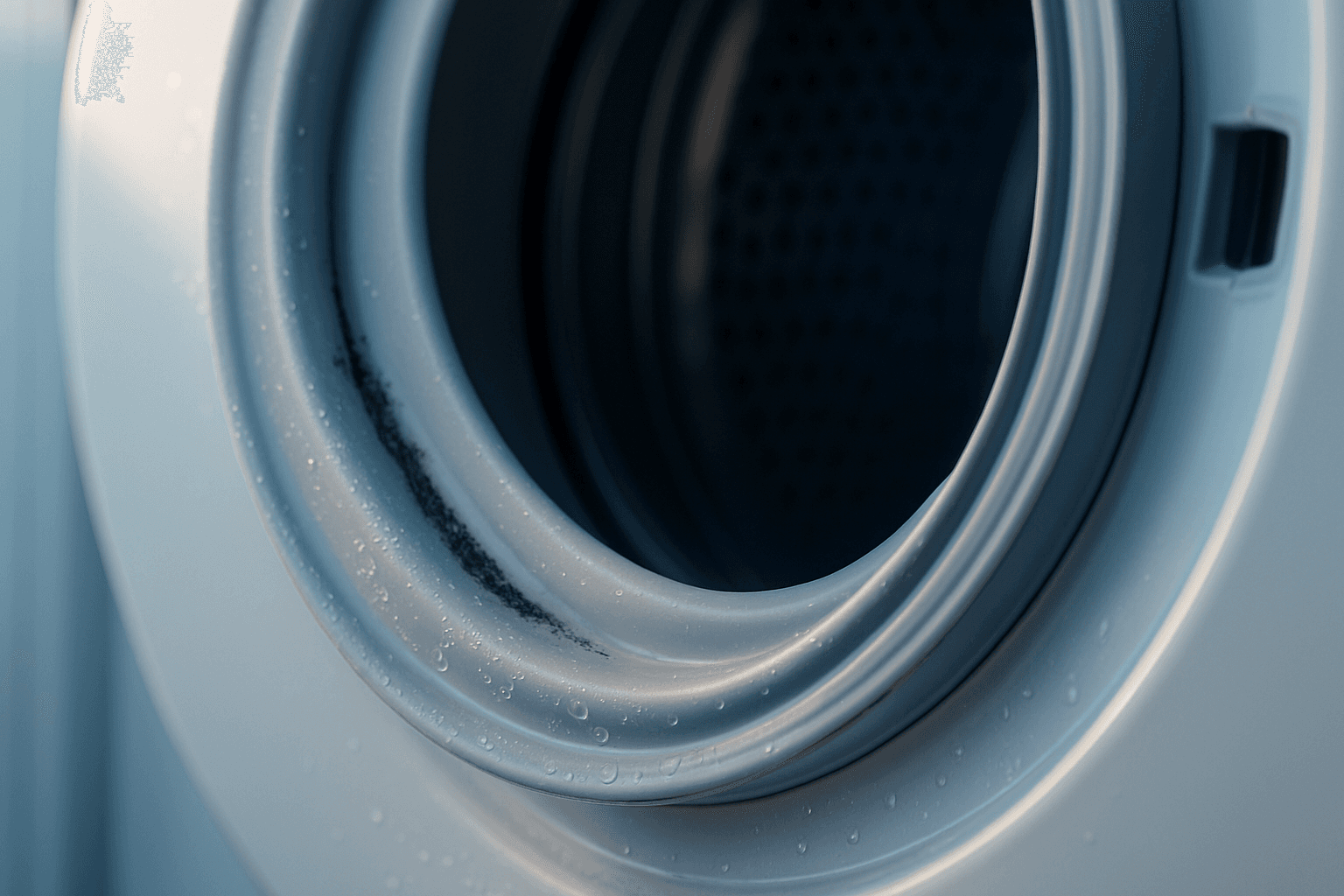
Summer humidity is damaging your washer's rubber seal—here's why now matters
Metro Vancouver's humid August air creates the perfect storm for mould and deterioration inside your washer. Here's how to spot it before Labour Day.
Key takeaways
- Mould thrives in warm, damp rubber—Vancouver's August humidity speeds up gasket breakdown.
- A damaged door seal leads to leaks, odours, and mildew that spreads to clothes.
- Wipe the rubber seal dry after every load to interrupt the moisture cycle.
- Run a cleaning cycle with vinegar or washer cleaner monthly during summer.
- Replace a seal before it fails—prevention costs far less than emergency repair.
Why summer humidity is your washer's worst enemy
August in the Lower Mainland brings warm, sticky air that lingers in your laundry room long after you've hung the load. That moisture doesn't just make the space feel damp—it seeps into the rubber door gasket of your washing machine and creates a breeding ground for mould. Unlike the dry months, summer humidity keeps that seal constantly damp, accelerating the breakdown of the rubber and inviting black, slimy growth that smells awful and can ruin clothes.
What a failing seal actually looks like
A healthy rubber gasket on a front-load washer should be smooth, pliable, and free of visible cracks or discolouration. In summer, start checking it weekly. Look for black specks or streaks along the fold—that's mould colonising the rubber. You might also notice a sour smell coming from the drum even after a wash, or find lint and debris trapped in the seal's folds. If the rubber feels sticky, stiff, or shows visible tears, the seal is already compromised and needs replacement soon.
The immediate damage a bad seal causes
Once mould establishes itself in the gasket, it doesn't stay put. Water leaks past the seal during the wash and spin cycle, pooling beneath the machine and potentially damaging your flooring. The mould spores and bacteria transfer onto your clothes, leaving them with a musty odour that won't wash out. In worst cases, the seal failure forces water into the drum's outer tub, triggering rust and component failure that turns a $100–200 seal replacement into a $500+ repair.
Your summer maintenance routine
After every wash, especially during humid months, open the door and wipe the entire rubber gasket dry with a clean cloth. Pay special attention to the folds where moisture hides. Leave the door open for 20–30 minutes to allow air circulation inside the drum. This simple habit interrupts the mould cycle dramatically.
Once a month through August and September, run a dedicated cleaning cycle. Add either two cups of white vinegar or a commercial washing machine cleaner, then run a hot-water cycle on the machine's cleaning setting (or the hottest, longest cycle available). This kills mould spores and flushes out trapped debris. If you've already spotted black specks, run the cleaning cycle twice in one week.
When to call for professional help
If the seal shows deep cracks, if water is actively leaking during spin cycle, or if the cleaning cycles haven't stopped the odour, the gasket needs replacement. Waiting through Labour Day weekend—when repair queues often back up—means living with a broken machine for longer. A seal replacement typically takes one service visit and costs less than the water damage or mould remediation that follows neglect.
Maintaining your washer's seal now, before the busy fall season, keeps your machine running smoothly and your clothes fresh through the year.
Need a hand from a real technician?
Our licensed pros repair washers and dryers across Metro Vancouver — same-day and next-day, with 90-day parts warranty + 7-day satisfaction guarantee.
Keep reading
Halloween candy wrappers and dryer fires: why your lint trap needs daily checks now
October's trick-or-treat season means sticky fingers, wrapper debris, and a hidden fire hazard in your dryer. Here's what Burnaby homeowners need to know.
Costume cleanup: why your washer's cold-water cycle needs a pre-rinse now
Halloween costumes bring mud, fake blood, and stubborn stains. Here's why a quick pre-rinse before the main wash saves your machine—and your clothes.