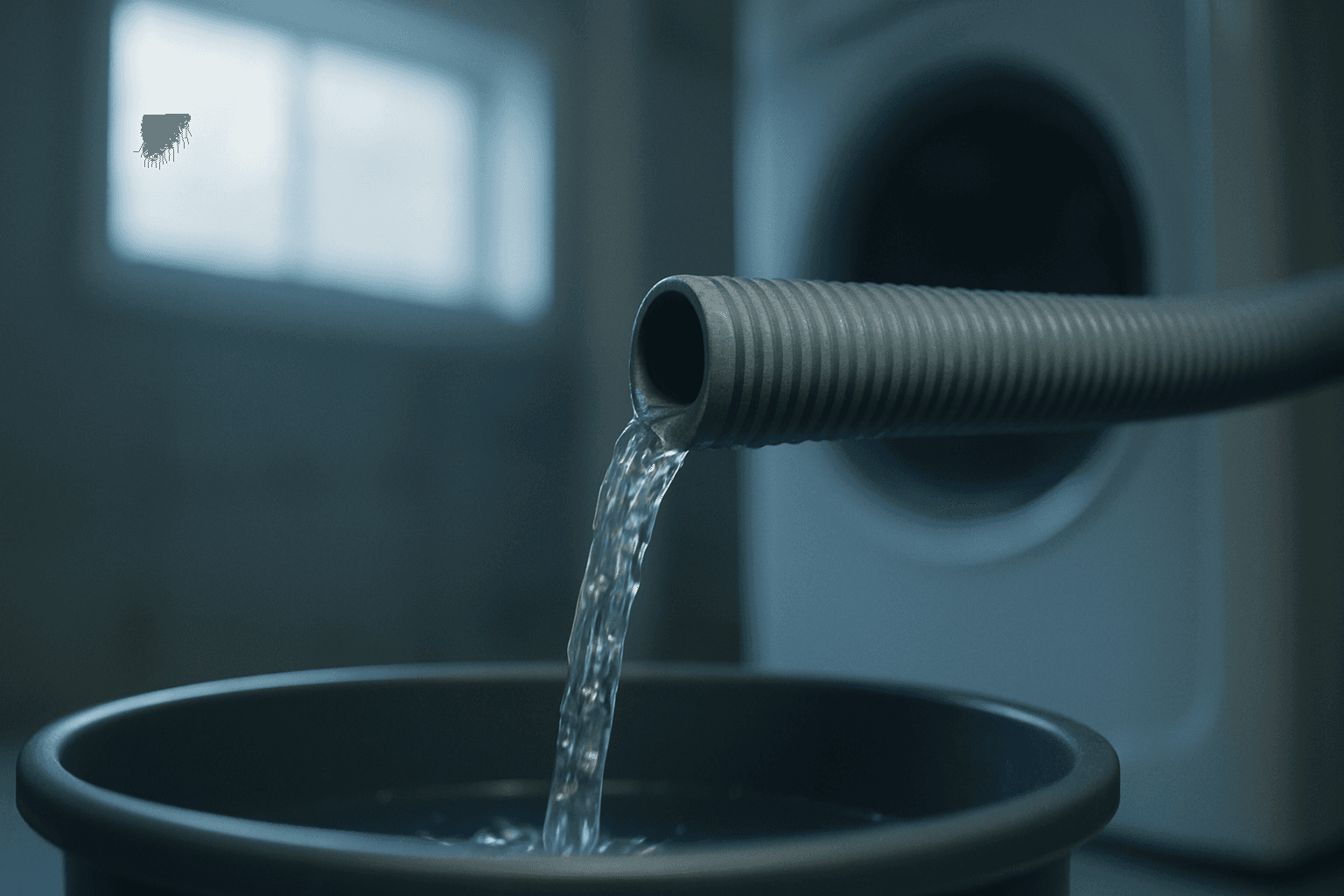
Why your washing machine needs a drain-line flush before summer guests arrive
Summer entertaining in Coquitlam means extra loads—and a hidden risk of slow drains. Here's why a preventive flush now saves you mid-party trouble.
Key takeaways
- Drain clogs develop slowly from lint and detergent buildup; summer laundry spikes expose them suddenly.
- A preventive flush takes 15–30 minutes and costs nothing if you use vinegar and hot water.
- Signs of a clogged drain: water pooling in the drum, slow drainage, or a musty smell after cycles.
- Coquitlam's hard water accelerates mineral deposits in drain hoses; annual flushing extends machine life.
- Never ignore slow drainage—it forces your washer to work harder and risks overflow during heavy-use periods.
The hidden summer risk
July in Coquitlam means family gatherings, weekend guests, and laundry piling up faster than usual. Your washing machine is working overtime—and it's the perfect moment to discover that your drain line has been quietly clogging for months. A slow drain that you didn't notice on a light Tuesday wash suddenly becomes a problem when you're running back-to-back loads on a Saturday.
Drain clogs are invisible until they matter. They start as lint trapped in the hose, mix with detergent residue, and harden into a stubborn blockage. Metro Vancouver's hard water makes it worse: mineral deposits layer on top, narrowing the pipe further. By the time you notice water pooling in the drum or smell something musty, the clog is already stealing your machine's efficiency.
Why now matters
BC Day is just over two weeks away. That's the traditional start of summer entertaining season—exactly when you don't want your washer failing. A preventive drain flush now takes 15 minutes and costs nothing. Waiting until mid-August, when you're hosting a long weekend, means you might face a service call instead.
Summer laundry volume is also the best stress-test for your drain system. If a clog exists, the heavy-use period will expose it immediately. Flushing proactively means you'll spend the season confidently running loads without worry.
How to flush your drain line
Disconnect the drain hose from the wall outlet (or standpipe) and run hot water through it from a tap. You'll often see lint and debris come out—that's what's been accumulating. If the hose is heavily clogged, straighten a wire coat hanger into a hook and fish out the blockage gently.
For the drain filter inside the machine (most front-loaders have one near the bottom front), locate the small door, unscrew it, and pull out the filter. Rinse it under warm water and wipe away lint. While you're there, run a short hot-water cycle with a cup of white vinegar to dissolve mineral deposits inside the drum and drain pump.
The year-round payoff
A drain flush every 6–12 months is one of the easiest ways to keep your machine healthy. In Coquitlam, where hard water is the norm, annual flushing prevents the mineral buildup that forces your machine to work harder and shortens its lifespan. It also eliminates the musty smell that sometimes develops in machines with poor drainage.
If you flush now and still notice slow drainage after a cycle, the clog may be deeper in your home's plumbing—that's a sign to call a professional. But for most households, a simple preventive flush is enough to guarantee smooth operation through the summer season.
Need a hand from a real technician?
Our licensed pros repair washers and dryers across Metro Vancouver — same-day and next-day, with 90-day parts warranty + 7-day satisfaction guarantee.
Keep reading
Halloween candy wrappers and dryer fires: why your lint trap needs daily checks now
October's trick-or-treat season means sticky fingers, wrapper debris, and a hidden fire hazard in your dryer. Here's what Burnaby homeowners need to know.
Costume cleanup: why your washer's cold-water cycle needs a pre-rinse now
Halloween costumes bring mud, fake blood, and stubborn stains. Here's why a quick pre-rinse before the main wash saves your machine—and your clothes.