Why your washing machine's hot-water valve gets sluggish in summer heat
Summer temperatures can slow down your washer's hot-water inlet valve. Here's what Port Coquitlam homeowners should know—and when to call for help.
Key takeaways
- Summer heat accelerates mineral deposits in hot-water inlet valves, slowing water flow.
- Watch for weak hot water, incomplete drum fills, or cycles taking longer than normal.
- Flushing the valve yourself can restore flow; replacement is simple if needed.
- Hard water in Metro Vancouver makes valve maintenance more important than elsewhere.
- Schedule a check-up before extreme heat peaks to avoid emergency repairs.
Why summer heat affects your hot-water valve
Your washing machine's hot-water inlet valve is a small but hardworking component—it opens and closes to let hot water into the drum at the right time. During summer, when outdoor temperatures climb and your home's water heater works overtime, that valve faces extra stress. Heat accelerates the mineral (calcium and magnesium) buildup inside the valve, especially in Metro Vancouver's notoriously hard water. A sluggish valve means slower fills, incomplete cycles, and longer run times when you need laundry done fast.
What to look for
If your washing machine is taking longer than usual to fill, or if hot-water cycles feel cooler than they should, the inlet valve may be partially clogged. You might also notice the drum doesn't fill all the way before the wash cycle begins—a sign the valve is restricting flow. In Port Coquitlam's summer heat, these problems often appear suddenly, especially in homes with older water heaters or high mineral content in their supply.
Another clue: listen during the fill cycle. A healthy valve opens with a clear, steady sound. A sluggish valve may hiss, sputter, or make a weak clicking noise as it struggles to open fully.
How to check and flush the valve yourself
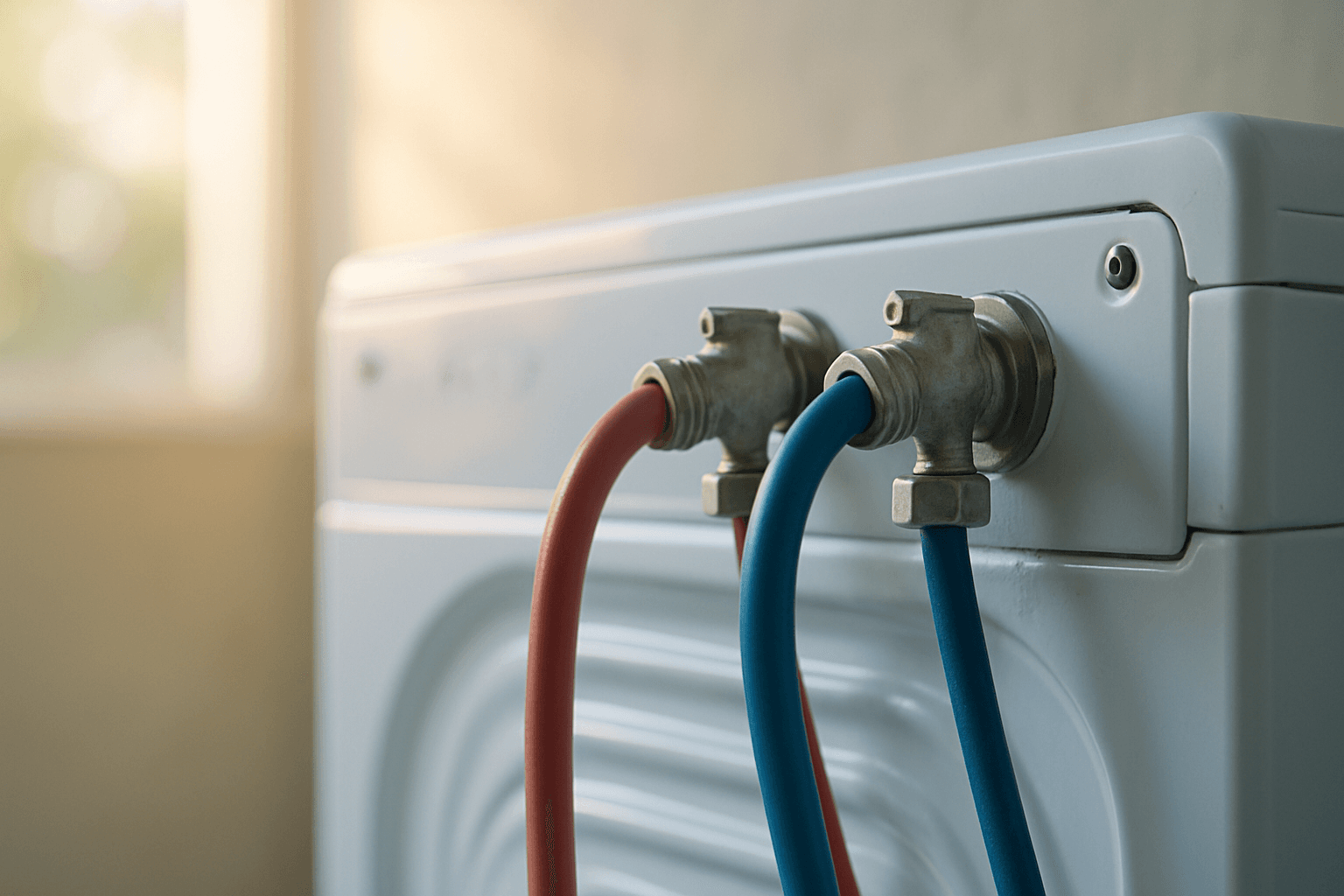
Before calling for repairs, you can try a simple flush. Turn off the water supply to the washer (the valve is usually behind the machine, where the inlet hoses connect). Disconnect the hot-water inlet hose—you'll see a small mesh filter screen inside the connection. Hold it under running water and rinse thoroughly; mineral deposits often lodge here first. Reattach the hose, turn the water back on, and run a short cycle with no clothes to test.
If the flow is still weak, the valve itself may need flushing with a descaling solution or replacement. This is a straightforward job for anyone comfortable working behind appliances, but if you're unsure, it's worth a professional check.
When to replace rather than repair
If flushing doesn't restore normal flow, or if the valve leaks when closed, replacement is your best option. Inlet valves are inexpensive parts (typically $30–$80) and take 10–15 minutes to swap out. A new valve ensures reliable hot-water delivery through the rest of summer and beyond, and it's much cheaper than running longer cycles or dealing with incomplete washes.
Hard water and summer: a Metro Vancouver issue
The Lower Mainland's water hardness means mineral buildup happens faster here than in softer-water regions. If you've noticed your hot-water valve acting up before, summer is the time to be proactive. A quick descale or preventive flush now can save you from a breakdown during a heat wave when repair appointments fill up fast.
If your washing machine is struggling with hot-water fill or cycle times have crept up this July, don't assume it's normal summer wear. A 10-minute inspection can pinpoint the problem and get you back to efficient laundry days.
Need a hand from a real technician?
Our licensed pros repair washers and dryers across Metro Vancouver — same-day and next-day, with 90-day parts warranty + 7-day satisfaction guarantee.
Keep reading
Halloween candy wrappers and dryer fires: why your lint trap needs daily checks now
October's trick-or-treat season means sticky fingers, wrapper debris, and a hidden fire hazard in your dryer. Here's what Burnaby homeowners need to know.
Costume cleanup: why your washer's cold-water cycle needs a pre-rinse now
Halloween costumes bring mud, fake blood, and stubborn stains. Here's why a quick pre-rinse before the main wash saves your machine—and your clothes.