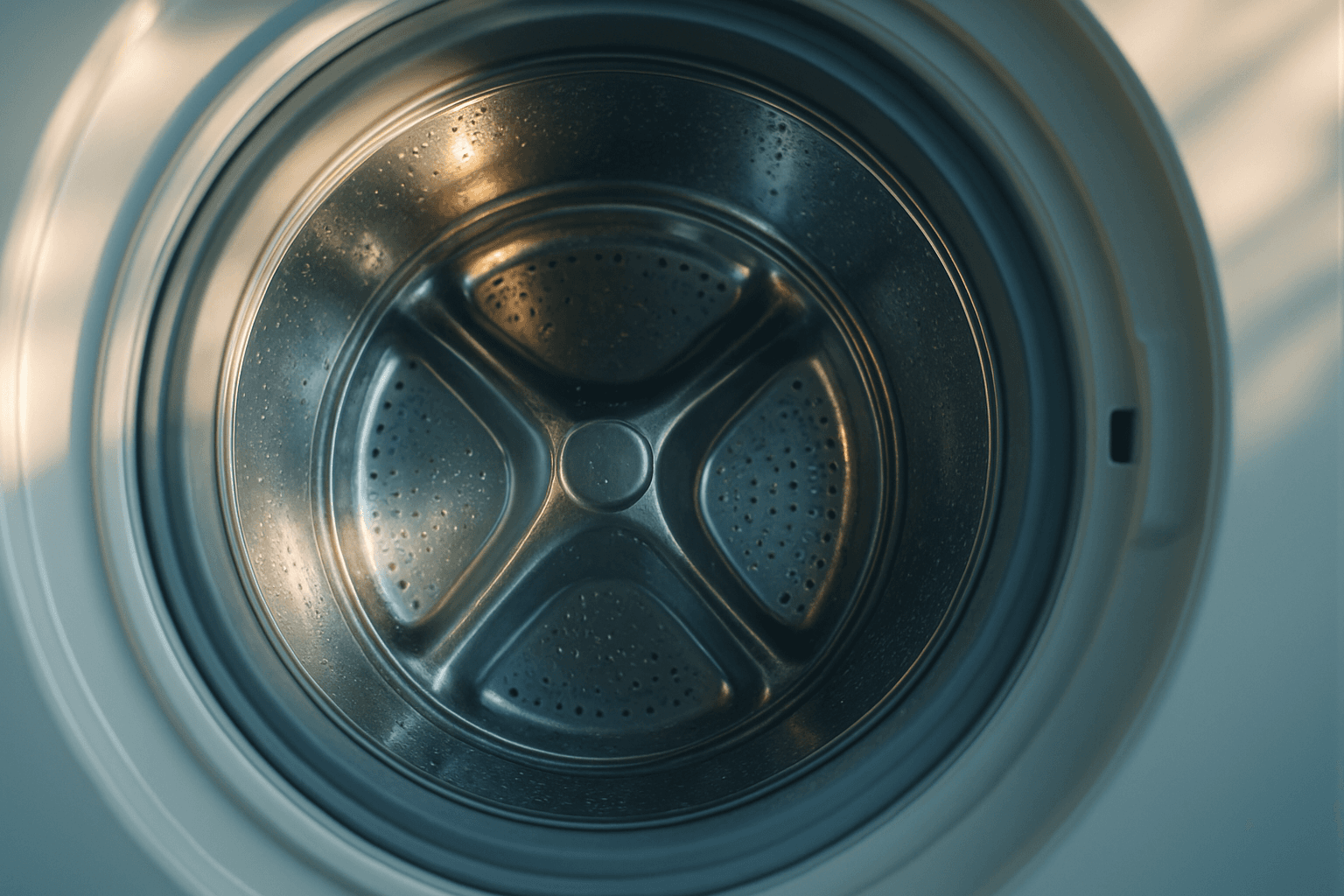
Summer visitors mean extra laundry—here's how to prep your washer
After Canada Day gatherings, many Burnaby homes face a laundry backlog. A few quick checks now prevent breakdowns when you need your washer most.
Key takeaways
- Check drain hose for kinks, cracks, or standing water before heavy use cycles.
- Run a hot-water cleaning cycle with white vinegar monthly during summer months.
- Clear detergent dispenser buildup—soap residue thickens in humid Metro Vancouver summers.
- Verify cold-water inlet screens aren't blocked by mineral deposits from recent use.
- Never overload your washer; summer fabrics need room to agitate and rinse properly.
July in Burnaby brings warm weather, outdoor entertaining, and one predictable side effect: mountains of laundry. Canada Day gatherings, weekend barbecues, and kids' summer activities all pile up in your hamper faster than usual. Your washing machine, meanwhile, has been working steadily through spring and now faces its busiest season. A few minutes of preventive care now means you won't face a breakdown when you're drowning in damp towels and grass-stained clothes.
Check Your Drain Hose First
Your washer's drain hose is the unsung hero of laundry day—and the first place to fail under heavy use. Over time, lint, detergent residue, and mineral deposits build up inside, especially during humid summer months when moisture lingers longer. Kinks or cracks in the hose itself can restrict water flow or cause leaks onto your laundry room floor.
Inspect the hose where it connects to the back of your machine and where it feeds into the drain or standpipe. It should be straight, without any pinches or bends. If you notice discolouration, stiffness, or a burning smell near the hose, that's a sign heat damage has occurred—replace it before summer laundry season peaks.
Run a Deep Clean Cycle
Your washing machine's drum, seals, and internal surfaces accumulate soap scum, mould spores, and mineral deposits year-round. Summer humidity in the Lower Mainland accelerates this buildup. Running a cleaning cycle once a month during July and August keeps your machine fresh and prevents odours that transfer to clean clothes.
Fill the drum with no clothes, add two cups of white vinegar to the drum (not the detergent dispenser), and run the hottest, longest cycle available. This dissolves soap residue and kills bacteria. If your machine has a dedicated cleaning mode, use that instead. You'll notice the water turns cloudy—that's the grime leaving your washer.
Clear the Detergent Dispenser
Detergent dispensers clog more often in summer because humidity prevents powders and liquids from flowing freely. A blocked dispenser means detergent doesn't reach your clothes when it should, leaving them less clean and causing buildup inside the machine. Open your dispenser drawer and inspect it in good light. You'll likely see a thick, pasty residue.
Remove the drawer entirely and soak it in hot water for 15 minutes, then scrub with an old toothbrush. Rinse thoroughly and dry before reinserting. If you use powder detergent, switch to liquid during summer—it flows more reliably in humid conditions.
Check Your Water Inlet Screens
Water inlet screens sit where the fill hoses connect to the back of your washer. These tiny mesh filters catch mineral deposits and sediment from your water supply. In summer, when you're running more loads, these screens can become partially blocked, restricting water flow and causing incomplete rinses.
Turn off the water supply valves behind your washer. Unscrew the inlet hoses from the machine (have a towel ready—water may drip). You'll see a small screen inside each connection point. If it looks discoloured or clogged, gently clean it with an old toothbrush or replace it. This takes ten minutes and prevents dozens of future problems.
Load Smarter During Peak Season
When laundry piles up, the temptation to overstuff your washer is strong. Resist it. An overloaded drum reduces water circulation, leaving detergent residue on clothes and causing incomplete rinses. Summer fabrics—lightweight cottons, linens, and athletic wear—need more space to move than winter loads.
Fill your drum only three-quarters full, even if it means running an extra cycle. Your clothes will be cleaner, your washer will last longer, and you'll avoid the frustration of damp, sour-smelling laundry that's been sitting in the drum overnight.
Need a hand from a real technician?
Our licensed pros repair washers and dryers across Metro Vancouver — same-day and next-day, with 90-day parts warranty + 7-day satisfaction guarantee.
Keep reading
Why your washer's spin cycle struggles in autumn—and how to fix it
As Metro Vancouver's humidity climbs this fall, excess moisture in your machine's drum and bearings can slow your spin cycle. Here's what's really happening.
Thanksgiving laundry crunch: why your washer's cycle time is slowing down now
As Thanksgiving hosting season hits, a sluggish wash cycle often signals a problem that's easy to fix—and crucial before the big cook.