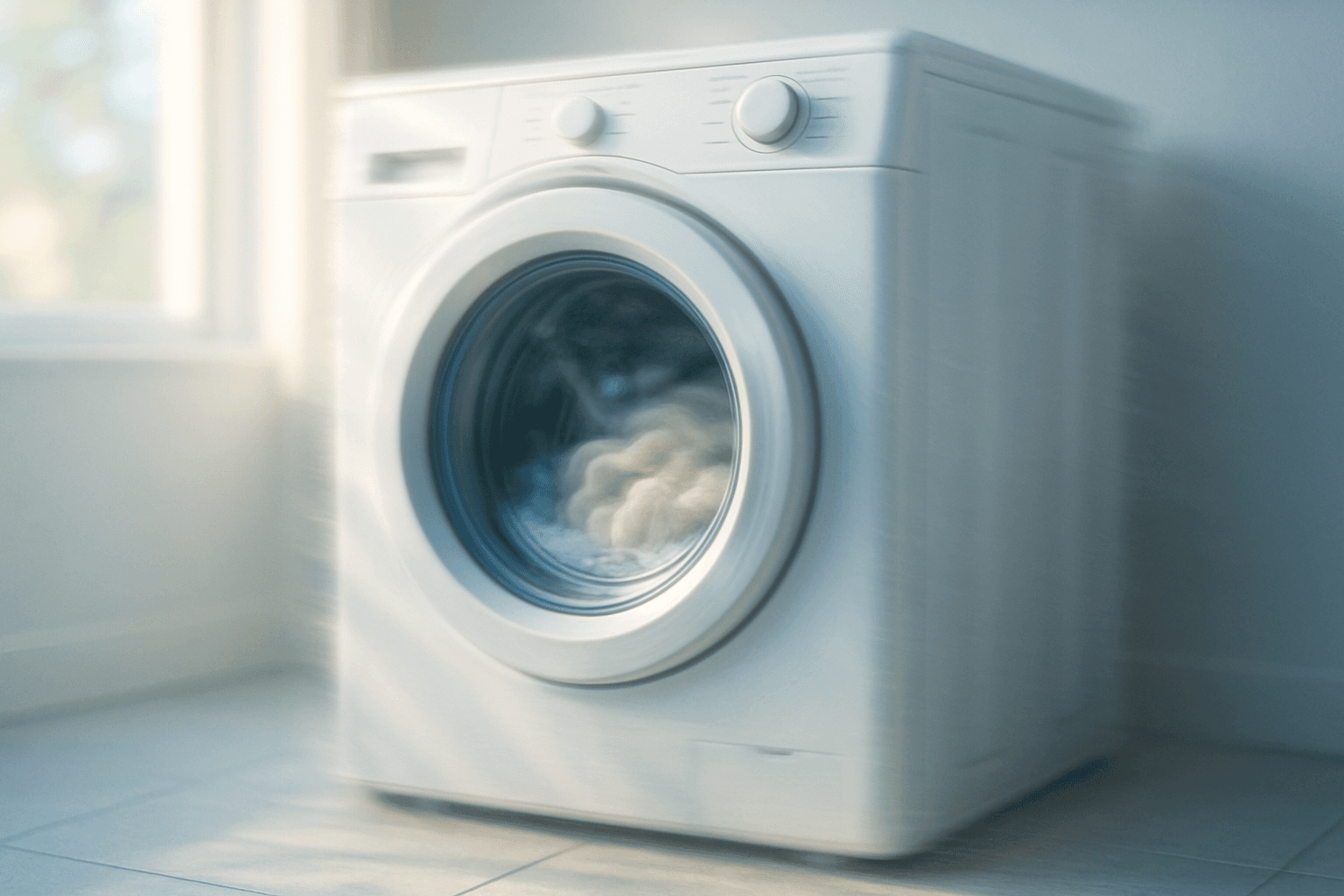
Washing machine vibration getting worse? Summer heat is likely the culprit
As temperatures climb in New Westminster and across Metro Vancouver, washing machine vibration often increases. Here's why, and what to do about it before Father's Day gatherings.
Key takeaways
- Heat hardens soap and mineral deposits, making vibration worse in summer months
- Unbalanced loads and loose internal parts amplify vibration as temperatures rise
- Run a hot-water cleaning cycle monthly during summer to prevent buildup
- Check that all four feet sit flat on the floor and adjust levelling legs if needed
- Excessive vibration can damage suspension springs; have it inspected if it worsens
Why your washing machine vibrates more in summer
When the mercury rises in New Westminster, washing machines often shake and rattle more than they did in spring. The culprit isn't usually the heat itself—it's what heat does to the gunk inside your machine. Detergent residue, fabric softener buildup, and minerals from our Lower Mainland water harden and cake onto the drum, seals, and internal surfaces. As these deposits accumulate and harden, they throw the drum out of balance, making vibration worse with every cycle.
Check your machine's feet and load balance first
Before you worry about internal buildup, start with the basics. Make sure your washing machine sits level on all four feet. Over time, especially with summer use ramping up for entertaining and outdoor activity season, the machine can shift slightly on the floor. If one or more feet aren't making solid contact with the ground, vibration will spike dramatically.
Also look at what you're washing. Summer brings more bulky items—beach towels, sports gear, pool covers—and overloading the drum or washing unbalanced loads is the fastest way to trigger shaking. Distribute weight evenly, and never pack the drum more than three-quarters full.
Run a monthly cleaning cycle
The easiest fix is preventive. Once a month through the summer, run your washing machine empty on the hottest water setting with a cup of white vinegar or a commercial washing machine cleaner. This dissolves hardened detergent and mineral deposits before they accumulate enough to cause vibration. Many newer machines have a dedicated "cleaning" or "tub clean" cycle—use it.
If you're already seeing serious vibration, you may need to clean the detergent dispenser drawer and inlet filters (the small screens where water enters the machine). These are common places where mineral deposits and soap scum build up, especially in our hard-water region.
When vibration means something's broken
If your machine vibrates severely even with a balanced, normal load, or if the shaking has suddenly gotten much worse, something inside may have shifted or failed. The drum can wear out and rub against the tub, or the suspension springs that hold the drum in place can loosen or snap. Excessive vibration can also damage the pump and other components over time.
This is worth having checked before you host Father's Day gatherings or other summer events—the last thing you need is a breakdown mid-wash when you're trying to get the house ready.
Keep an eye on it as summer heats up
Vibration often peaks in July and August when it's hottest and laundry volumes are highest. A little noise and movement is normal, but if you notice a sudden increase, act on it now rather than waiting. A quick drum clean and a levelling check will solve most summer vibration issues and keep your machine running smoothly through the season.
Need a hand from a real technician?
Our licensed pros repair washers and dryers across Metro Vancouver — same-day and next-day, with 90-day parts warranty + 7-day satisfaction guarantee.
Keep reading
Why your washer's inlet hoses weaken in autumn—and how to inspect them now
Metro Vancouver's damp fall weather puts pressure on washing machine hoses. A simple pre-winter inspection could save you thousands in water damage.
Why your washer floods in fall—and how Richmond's damp affects your drain hose
Autumn's moisture and cooler temperatures can cause hidden drain-line problems. Here's what to check before winter arrives.